

You can support Terra Relicta by donating! Please, do so, and thank you!



Interview with: Paul Delaney
Conducted by: Felin Frost
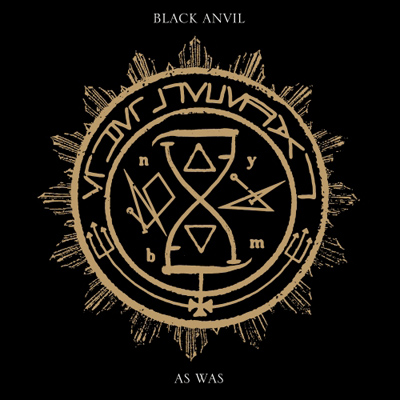
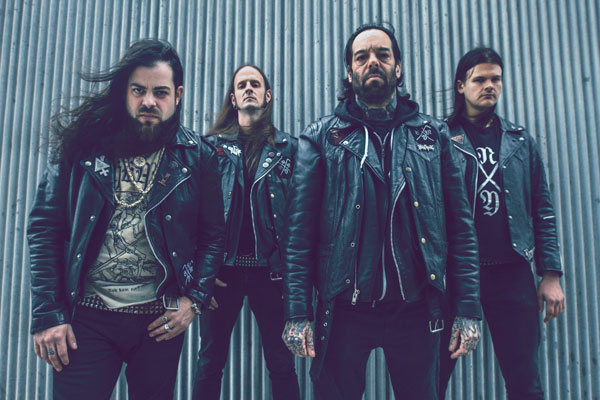 The black metal phenomenon from NYC, USA, Black Anvil, formed in 2007 and released their debut album, Time Insults The Mind, in 2009 and later that year signed to renowned independent label Relapse Records. After a re-release of their acclaimed 2009 debut, Black Anvil unleashed their first proper full-length Triumvirate in September 2010. That one was followed in 2014 by the amazing monumental album Hail Death, a 70-minute journey of intensity that further established Black Anvil as a modern black metal powerhouse and was praised by fans of the genre and media. In January this year Black Anvil released another masterpiece named As Was. As Was is an unique album that show us the original black metal style of the band mixed with touches of hardcore and this is just one of the singular characteristics of Black Anvil. This album impressed me a lot (you can read the review over HERE) and for me it leads my list of Top 10 of 2017. Black Anvil once again surprises us by showing even more about its musical roots and the aggregation of styles in the conception of a totally new progressive dark style with lyrics that are a journey of inner self-discovery. All that passion I felt listening to the album, all the originality, the lyrics matching my thoughts and the curiosity to know more about these guys, compiled me to interview the mastermind, Paul Delaney.
F.F.: Hi Paul! Let's start with this. In all of your interviews so far, you have stated that you could have "pushed forward" the musical style. What would you, if you haven't been "insured" a little by Raeph Glicken, would have include in the album As Was? Which other different elements would you have introduced in the songs?
Paul: Interesting question to start. You know, he had to check me with the vocals a bit, I would want to go a lot wilder with some harmonies etc and he just kept it on a bit of a leash. End of the day, I think it was for the best. This record, while being inventive for us and taking steps forward, we also had to take some steps back and simplify it and just make sure everything fit. So, I wouldn't actually include anything different or any other choices now. In the moment, hard to say but I don't think we'd be so far off. 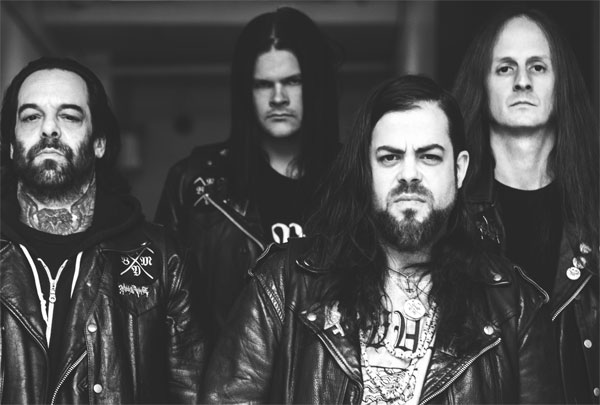 F.F.: From your perspective, after more than two months that the band released As Was, what can you tell me about the reception of the album by fans, especially because your sound become more progressive lately?
Paul: For the most part, it's been rather well received. The reviews have almost all been extremely positive and it seems people "get it", which is always the challenge. I'm more than ok if someone doesn't like the band. To each their own. But seeing some misguided reviews sometimes I cringe. It's interesting seeing what some people assume our influences are, citing bands I've personally never listened to. When some other influences are more than worn on our sleeves and go completely unnoticed. This record somehow caters to a variety of listeners so, that to me is a success. We like to spread this as far as possible.
F.F.: How do you approach criticism from more traditional thrash-style reviewers?
Paul: We just accept that they don't get it. There's many instances I hear something and say to myself, "this is good, just not my thing". People like to grasp onto certain things, like having been in hardcore bands in the past, and think that somehow makes what we do now less sincere because we have our own sound. Which I actually think is sincere, when we could easily just be carbon copies or clones of the bands we grew up on. We choose our own path. So, we have to take these reviews with a grain of salt. For every number of those, we come across a review like yours that just reassures us that real recognizes real.
F.F.: Thank you! Now, I think that many bands have stagnated. And surely in the near future they will be forgotten for the simple fact that what they do is always the same thing. What makes them really boring to hear. Is there anything that concerns you about this matter as a musician?
Paul: Yes, cause as the musicians writing songs, I don't want to be bored with myself. And when I say "I", I always mean "We". We never want to feel like we're forcing something, or going through the motions just to have a product out there because it's easy to just throw some shit together. It's mostly these bands that gain notoriety. Which is mind blowing, the amounts of generic shit that people eat up. That itself is inspiring and pushes us to take a different direction. It's almost more of an influence than music we listen to. That pushes us to create, but the shit I'm talking about specifically here is always a reminder of what not to do. I love that we push ourselves. Internally, the side no one gets to see, you'd think we want to kill each other at some rehearsals possibly. If you didn't know us. It's like someone at any moment is about to get punched in the face! But, it's just care. We all care about this so much, and want the best for it. Whoever writes what, it's all ours. The day we don't feel like this is the day to hang it up and move on to the next.
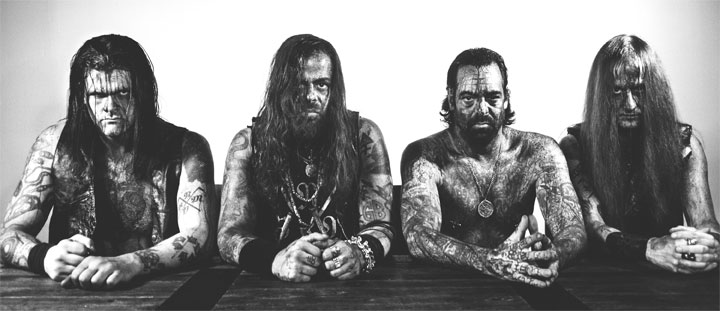
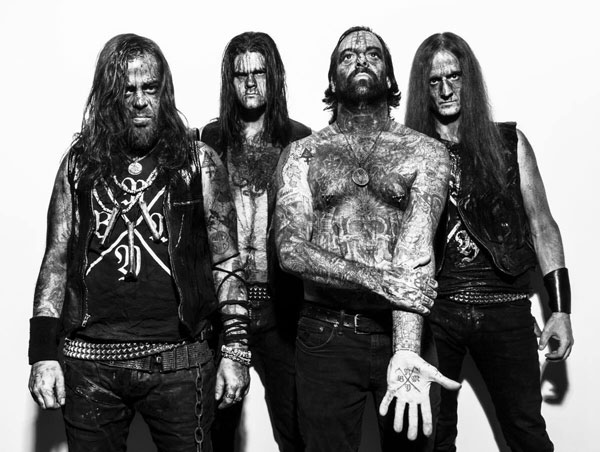 Paul: Well, we've been all playing together this long. So, with Gary stepping down. The dynamic has definitely changed. I miss him being around, but he wasn't happy and I don't miss that. He's a brother to us, and this is what needed to happen. It just made Raeph and I focus harder. It made the bond between all four of us strong. Sos and Travis as well were affected by this. In different ways. The three of us in particular in this situation have a deep history. In a shorter time, since Sos stepped in, he's been a part of this that's as important as the friendships I've had with these guys going on 20 years. That's not something that happens that often, nor is it something I take for granted. Same with Travis. We've known him for years. This band is a brotherhood. As long as that's always there, the fire still burns.
 introduction to The Misfits. Which made going back to her punk records easier for me to comprehend. Then getting into more metal, you're going back to these recordings that aren't so polished. And from that, hardcore and punk. Hardcore in NYC was my scene. Still is actually. We are still who we've always been and our friends and allies will always be those we grew up alongside and fought alongside. Rather, who it's "cool" to be associated with in this "scene".
This email address is being protected from spambots. You need JavaScript enabled to view it.


