

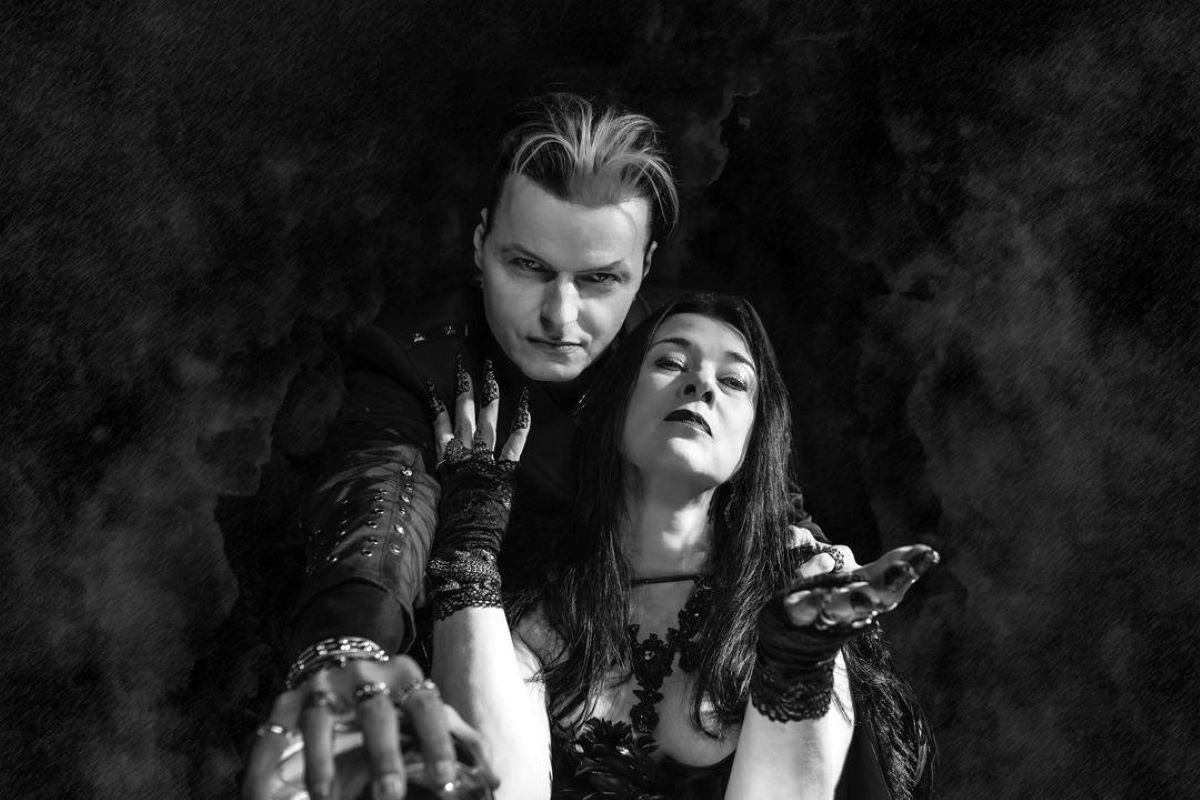
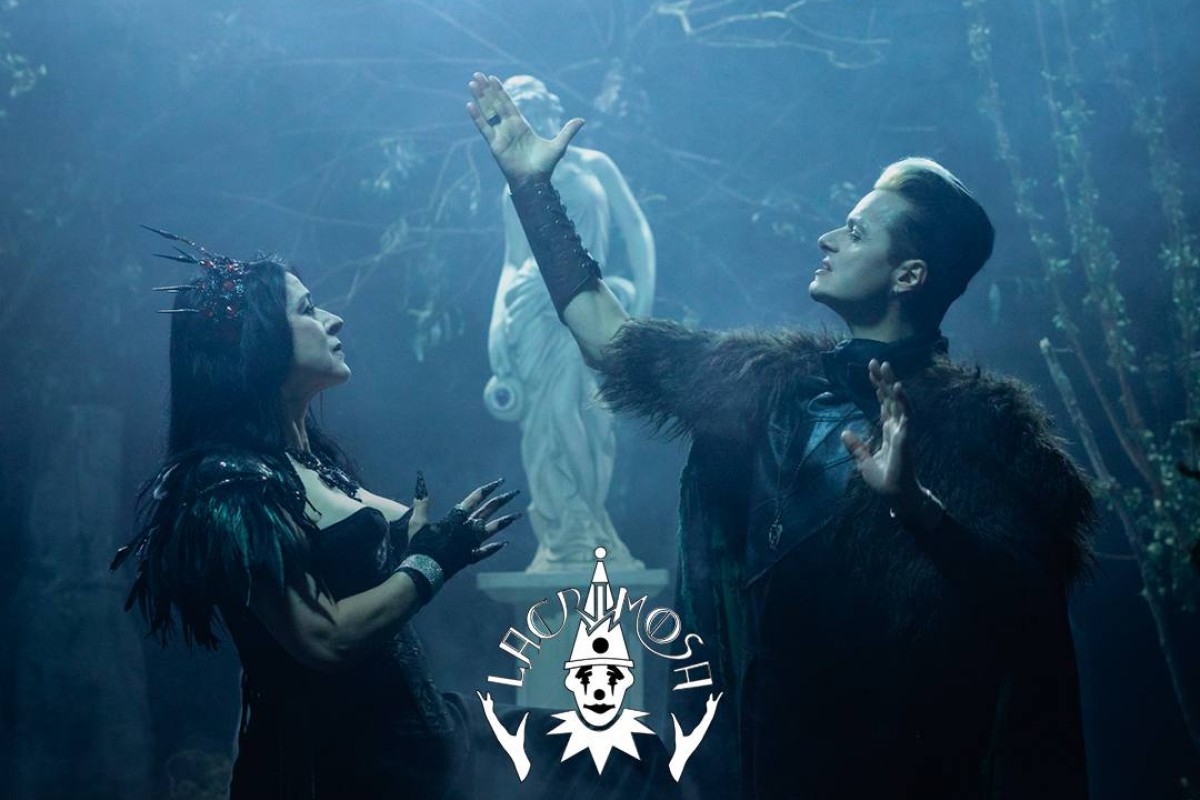
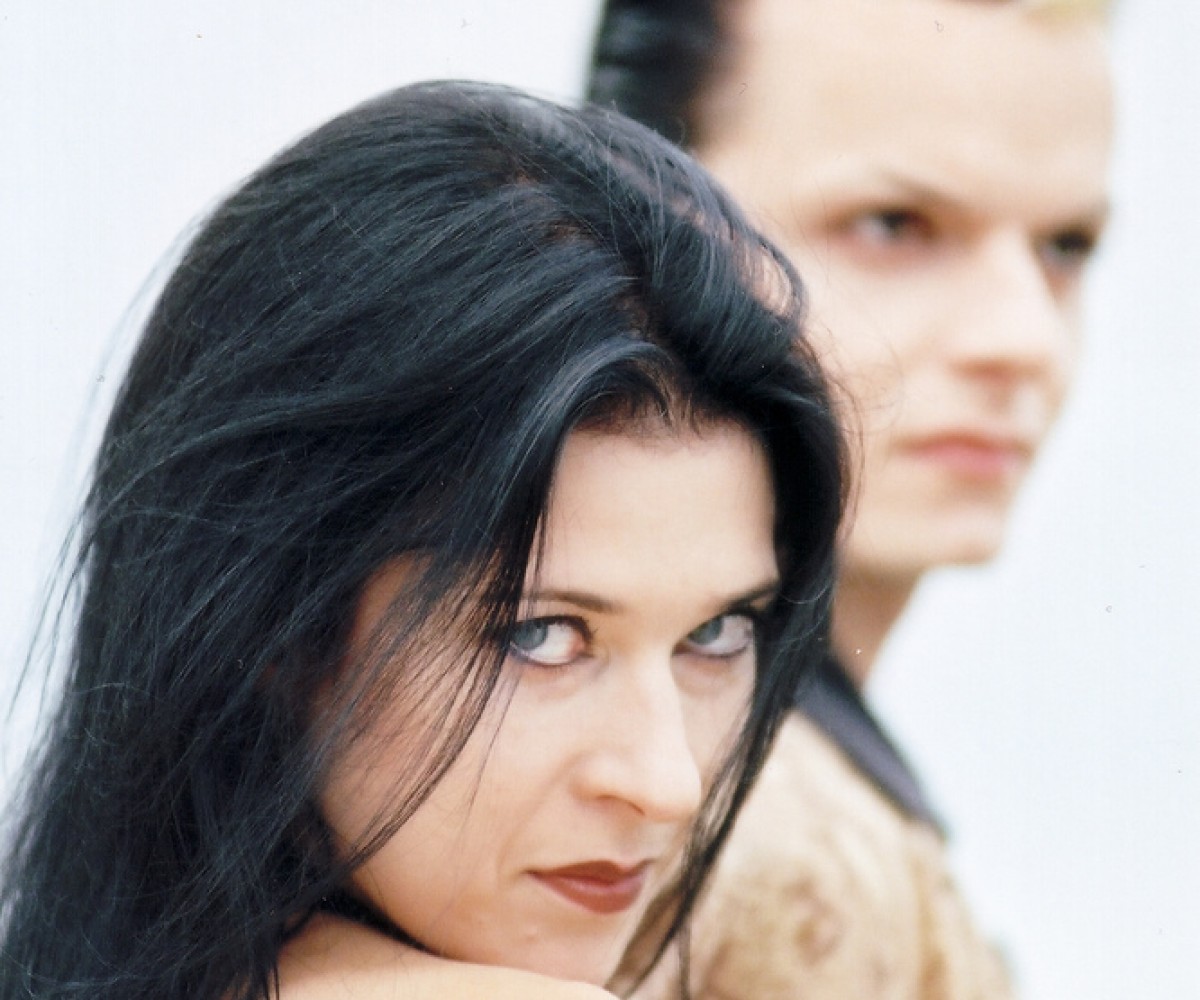
For more than three decades, Lacrimosa has stood as one of the most influential and uncompromising forces in the world of dark music. Founded by Tilo Wolff in November 1990, the project began as an alternative endeavour blending rock with poetic introspection and classical grandeur — a combination that would soon reshape the landscape of German alternative music and lay the groundwork for what would later evolve into symphonic metal. Since 1993, Anne Nurmi has been an essential part of this creative journey, her vocals and keyboards becoming integral to Lacrimosa's unmistakable sound. Releasing all their work through their own label, Hall of Sermon, Lacrimosa carved out a path of complete artistic independence long before it became commonplace. Their pioneering spirit carried them far beyond Europe. In 1998, they became the first independent band with German‑language lyrics to perform in Mexico, followed by extensive tours across South America, Russia, China, and eventually much of the world. Along the way, they collaborated with the London Symphony Orchestra, recorded at the legendary Abbey Road Studios, and achieved chart success in more than 25 countries. In 2025, Lacrimosa once again demonstrated their enduring creative power with the release of Lament, an album that resonated deeply with listeners and critics alike. A work of emotional intensity and orchestral depth, Lament bridges melancholy and grandeur in a way only Lacrimosa can — a testament to Tilo Wolff's ability to evolve while remaining unmistakably himself. The album's impact was recognised when it won the Terra Relicta Dark Music Awards 2025, securing its place as one of the year's most significant dark‑music releases. Today, Lacrimosa remain a singular presence — defined not by genre boundaries, but by emotional truth, artistic courage, and the unmistakable vision of its creators. In this interview, Tilo Wolff reflects on Lament, the band's long journey, and the creative spirit that continues to shape one of dark music's most iconic names.
Interview with: Tilo Wolff
Conducted by: Tomaz and Jerneja
Edited by: Jerneja
Jerneja: Hello, Tilo! We're delighted to have the opportunity to speak with you again. This is already our third interview with you — one of them was actually for your other project, SnakeSkin — but the first since Terra Relicta dark music online magazine moved to its new, modern platform. To begin, I'd like to ask how Anne is doing, as she had to withdraw from the recent tour due to health issues.
Tilo Wolff: Anne is going through a very tough time, and she still has one more operation ahead of her, though things are developing pretty well in the meantime, and we are very confident that she will recover.
Jerneja: And how was the tour itself? Did Lara Florence step into her role comfortably — did she manage to fill her shoes well?
Tilo Wolff: I mean, no one can step into Anne Nurmi's shoes, but Lara did a fantastic job. She's such a great talent with a wonderful voice, a great charisma and a wonderful character. But of course — she is my niece! 😊
Tomaz: We would also like to congratulate you on Lament winning this year's Dark Music Awards. It was an incredibly decisive victory — from the moment you shared the voting on your Facebook page, for which we are very grateful, as it also helped promote Terra Relicta, you surged ahead and remained unbeatable until the end. What is it like to have such passionate supporters, and what does a win like this mean to you?
Tilo Wolff: To have such wonderful supporters making it, among other things, possible to win such awards means the world to me. You see, I love doing music — this is my passion and my life. But without the supporting audience, this would be impossible. Therefore, I am more than grateful for this amazing Lacrimosa family!
Tomaz: Do you ever feel pressured to meet their expectations, or does their support give you complete creative freedom?
Tilo Wolff: Many years ago, I sometimes felt some pressure, but it didn't make me happy – doing music was suddenly more a job than my hobby – and I also realised that the audience is not predictable. Nowadays, I again only do what I feel deep inside me. I always wanted to express my emotions with my music, and this is what I do. And I think true music lovers feel when music is coming from the heart.
Jerneja: If you hadn't been in the running yourselves, which album would you have voted for?
Tilo Wolff: I didn't have much time to listen to many of them until now, though I'd probably have voted for the album of my friends from Lord Of The Lost. This is a great album!
Tomaz: Your new album Lament feels especially melancholic, particularly in its first half. What lies behind this emotional weight — almost uncomfortably honest? Were you consciously pushing yourself into darker emotional territory, or did the music simply lead you there?
Tilo Wolff: The music brought me there. When I compose, I let my emotions flow, and this is what we got!
Jerneja: When you start shaping a new album, what tends to spark the process — a musical idea, a lyrical theme, a visual concept, or an emotion you want to explore?
Tilo Wolff: Actually, I never – at least not consciously or intentionally – shape an album. I compose music, song by song, and after some time, I feel where it all drags me to. But of course, the three parts of the so‑called Storm‑songs from the albums Testimonium, Leidenschaft and now Lament I wrote intentionally, and they again had a great impact on the entire composing process and on those three albums in general.
Tomaz: As tradition dictates, the new album also carries a single‑word title — Lament. Would you describe it as a conceptual album, and what does this title represent within the broader emotional and thematic framework of the record?
Tilo Wolff: Somehow all Lacrimosa albums are conceptual, since they follow the actual emotional state of mind of myself. The albums are like chapters in a diary, and as told before, I write the songs without a masterplan, so they reflect how I feel at the very moment I write them. And since the songs from one album arise all during the same period of time, they are connected with each other, which again makes each album kind of a coherent collection of songs.

Tomaz: In our 2022 interview (HERE), you mentioned that working on the Leidenschaft album was incredibly difficult for you. To quote you: "To record this album was an unbelievable journey, it was nerve-wracking, exhausting, intoxicating, uplifting and sometimes devastating, and there were times when I could hardly believe that I would ever be able to finish it." Did you experience something similar this time as well, or was the creative process different for Lament?
Tilo Wolff: Surprisingly, it was totally different. Almost all songs from Lament reached me and flowed through me like a kiss from the divine muse. Somehow, it felt like magic; each and every note was like a precious gift. Therefore, listening to this album still makes me shiver!
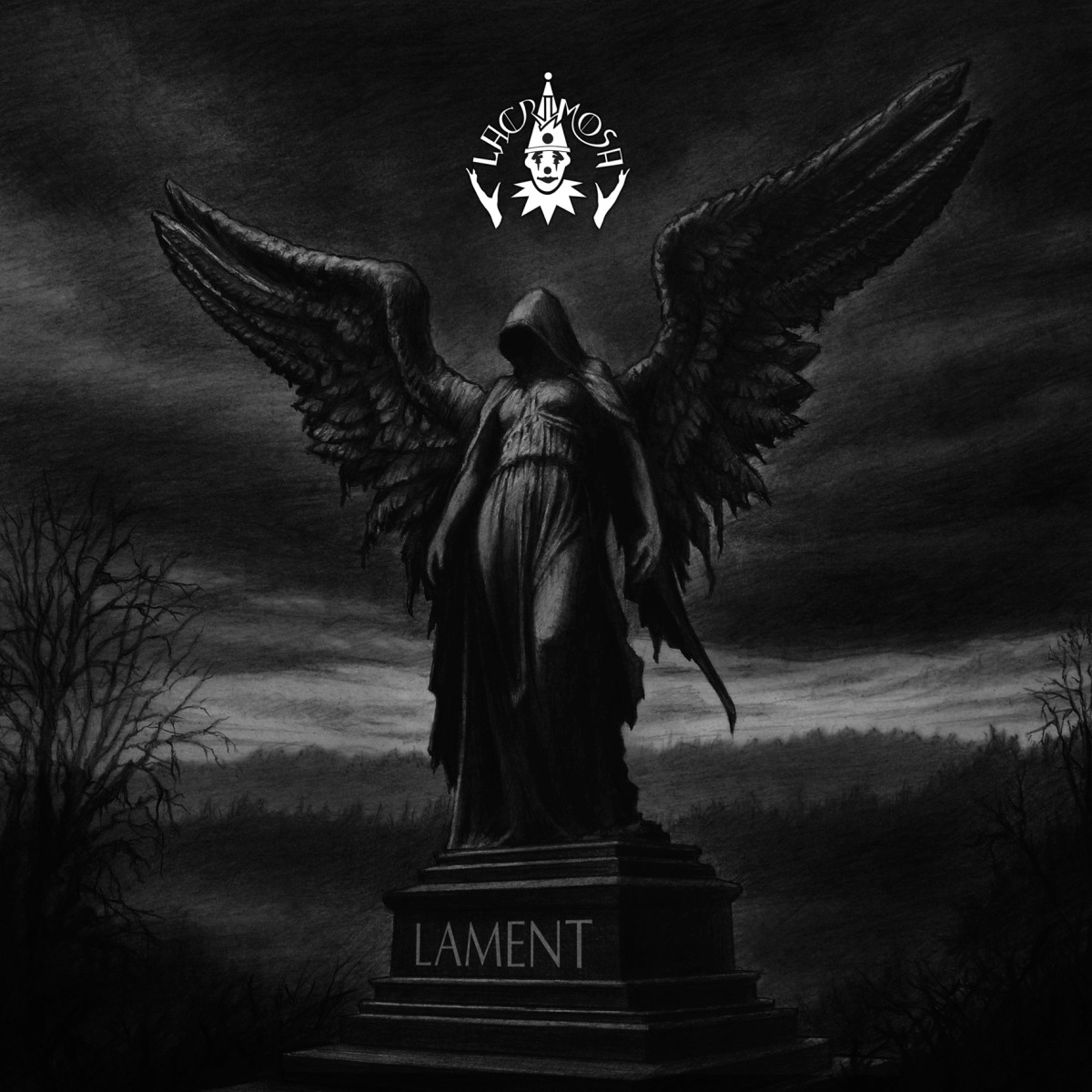
Jerneja: The album cover features an angelic figure set against a noticeably darker background. Unlike the previous album, where rays of sunlight still broke through the clouds, here the light is distant and faint. It even brings to mind a subtle echo of the Lichtgestalt album from 2005, though in a very different emotional context. I assume there is strong symbolism behind this imagery...
Tilo Wolff: This angel used to be a heroic statue of a woman expressing comfort and peace to the people who lived in her time. Therefore, she became this statue of herself, placed in the park we know from the cover of the album Leidenschaft, near the cemetery we know from the cover of the album Testimonium — all to be seen on the back cover of Lament. However, now this statue is forgotten and slowly deteriorates. We, as the spectators, arrive in the dark, when the sun is only shadowy to be seen behind the hills in the back of the landscape, and on the back cover, we meet the Harlequin, showing us that we are not lost and all alone in this moment and place, in this dark night.
Jerneja: Your music constantly walks a fine line between melancholy, drama, and orchestral intensity. Do you consciously control this balance, or does the music itself dictate where it wants to go?
Tilo Wolff: This is what I hear in myself. This is the music of my heart. Perhaps I couldn't do it differently.
Tomaz: When the latest single, "Metamorphobia", was released a few months after the album, many fans wondered why it wasn't included on Lament. Could you share the reasoning behind that decision? Was it a conceptual choice, a matter of flow, or something else entirely?
Tilo Wolff: Very simple. I wrote the song after Lament was already released. And since I wanted to play it live – which we did here and there during the Lament tour – I thought it would be nice for the people to hear it again once in a while. Therefore, I released it.
Tomaz: The powerful song "Avalon" also received a visual interpretation, and I have to say the final result is truly impressive. To what extent does the story told in the video reflect the meaning of the lyrics?
Tilo Wolff: We very much elaborated the first lines and the chorus of the song and put them into pictures reflecting the dark, mystical aspect of this song. We had many approaches before writing the script, and I talked to many filmmakers about it, and in the end, we went for this wonderful approach.
Jerneja: Lacrimosa's visual and emotional identity is instantly recognisable. How do you see the relationship between aesthetics and music — are they equal pillars, or does one guide the other?
Tilo Wolff: They are equal from my point of view. This is the reason why the visual aspect of Lacrimosa is so strong and recognisable. When I listen to music, I always see the album cover in front of my inner eyes. I mean, I grew up with vinyls and their big covers. There was no internet; all we had were the pictures on the front cover and maybe some artwork on the inner sleeve, which built a strong connection between the music and those few images. And still, I sometimes only look at the cover of an album and start listening, without knowing anything about the artists. It's a shame how many bands don't care about their visual output!
Tomaz: Returning to the music itself — every album has songs that resist completion more than others. Is there a piece that proved especially demanding, yet ultimately became one of the highlights for you personally?
Tilo Wolff: Yes, "Kaleidoskop" from Hoffnung was such a song. I remember that I was completely drowning when I did this; I got so deep into it that I lost the overview, and it started to fight against me, I had the feeling. It became like a virus. But today I adore this song!
Jerneja: I noticed that Lacrimosa is listed among the artists on Reigning Phoenix Music, yet Lament was still released through Hall of Sermon. At the same time, RPM is reissuing Inferno. What exactly is the connection between Lacrimosa and RPM, and how does this collaboration fit into your current label structure?
Tilo Wolff: Many of the people running RPM are old friends from the times when I worked closely with Nuclear Blast, which is also the reason why we did these collaborations. Lacrimosa is of course based at Hall Of Sermon, though here and there – also in countries like China or Brazil – we work with local record companies, such as RPM in Germany, giving them licences to release some of our work.
Tomaz: You helped shape what gothic metal and orchestral gothic rock became. Looking at the scene today — do you feel it's thriving, transforming into something unrecognisable, or slowly disappearing?
Tilo Wolff: Unfortunately, it became incredibly boring, because all bands sound almost the same nowadays. There's been hardly any evolution; the musical style has been set in stone and is supposed to sound exactly this way. All bands, like Lacrimosa and a few others, who further developed this style were considered outliers. Very sad.
Tomaz: As we come to the end of our conversation, is there a final thought or sentiment you'd like to share with your listeners?
Tilo Wolff: I want to thank everyone listening to Lacrimosa through all the years. I know listening to this complex and emotional music is not the simplest, but you do it, and you help bands like that to move further and to hold up the beauty of music. Thank you!
Lacrimosa links: Official Website, Facebook, Instagram
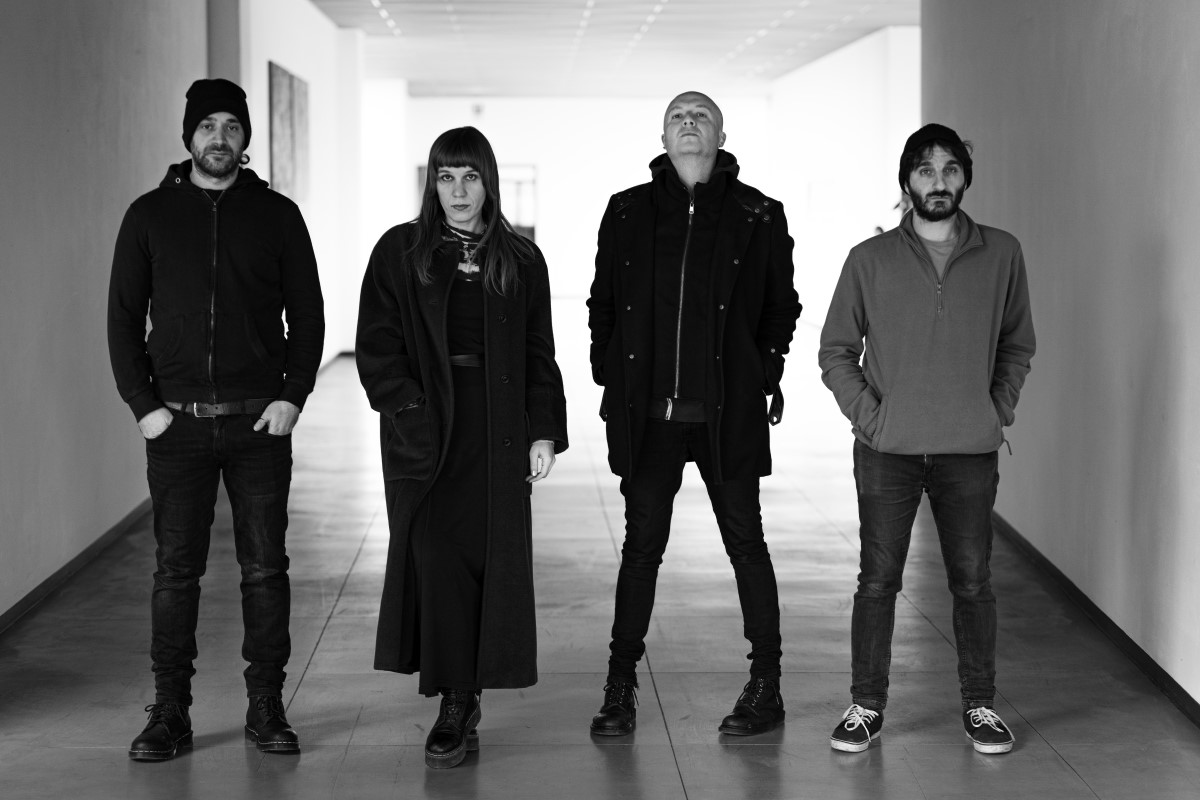 "I can say that when I play with Bosco Sacro, I'm in total trans. When I play on a stage, I go into another world." - Luca Scotti
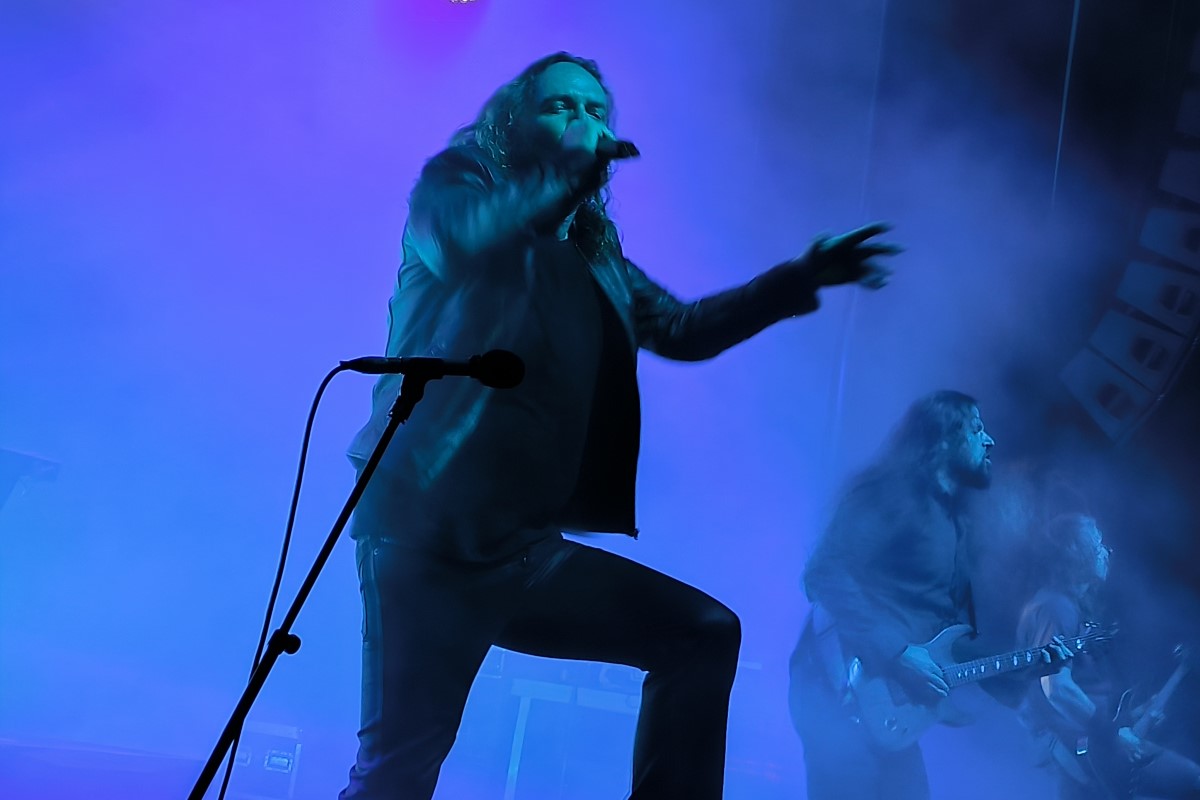 "We were outsiders, and nobody knew what the fuck was going on. We just listened to this extreme music that nobody else liked, and that made us very strong..." - Mikael Stanne
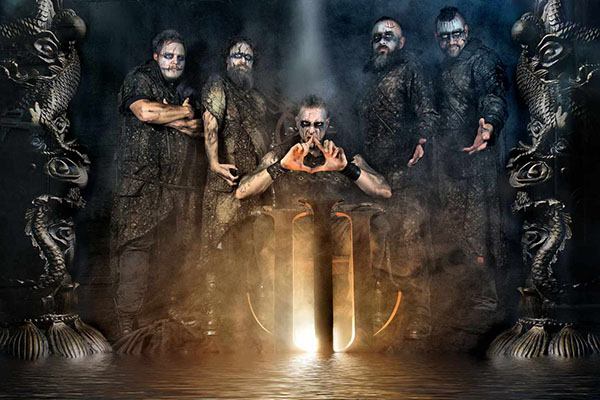 "The whole thing for us with the lore we have created is inspired by Greek Mythology and the stories of Atlantis." - Phil Primmer
 "We go searching for sounds and ideas within ourselves and there in our dreams, in the moments when 'we are not here'." - Elena Alice Fossi