
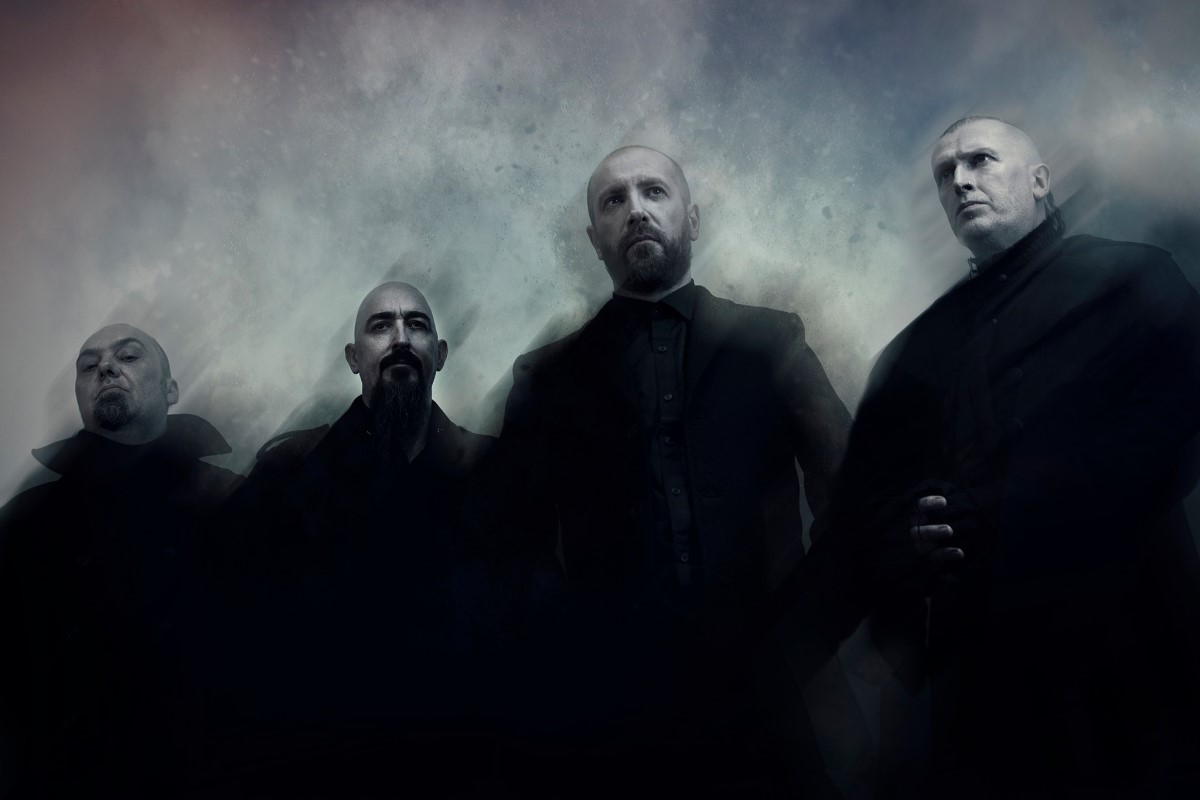
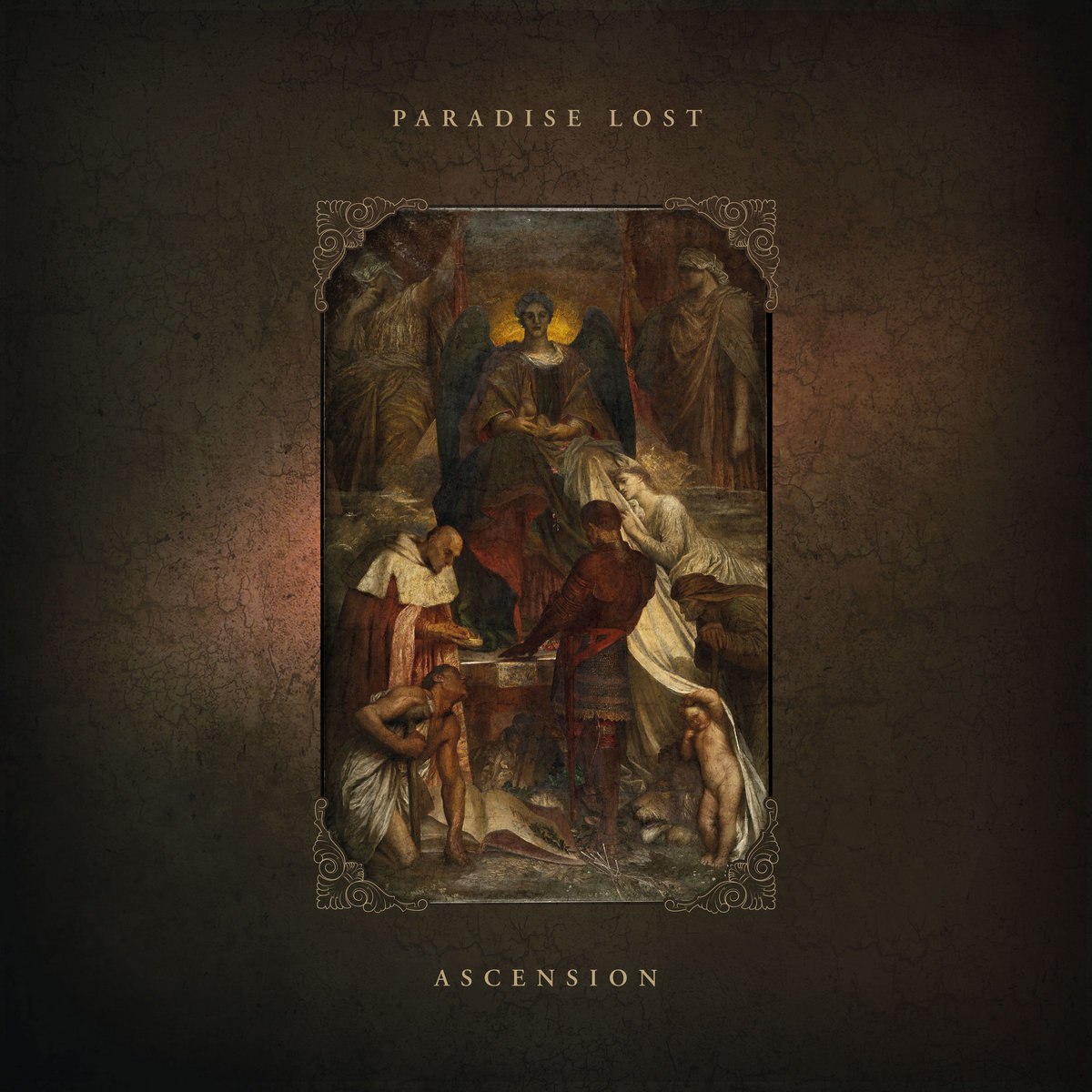
The UK's most celebrated gothic/doom metal icons, Paradise Lost, hardly need an introduction. Yet with the release of their much‑anticipated 17th studio album, Ascension, on 19 September via Nuclear Blast Records, it feels apt to pause and acknowledge their enduring stature. One of the most influential metal bands of the early '90s, Paradise Lost not only pioneered what became known as gothic metal — they have remained its unshakable cornerstone ever since. Ascension (review available HERE) is more than another triumph in a long career; it is a resounding statement of continued relevance. Formed in Halifax in 1988, the band captured the hearts of goths and metalheads alike with monumental albums such as Gothic (1991), Icon (1993), Draconian Times (1995), the genre‑defying One Second (1997), and the divisive yet daring Host (1999). Across nearly four decades, Paradise Lost have never truly faltered. Each release — led by vocalist Nick Holmes and guitar maestro Gregor Mackintosh, alongside rhythm guitarist Aaron Aedy and bassist Steve Edmondson, now reinforced by returning drummer Jeff Singer — continues to sound fresh while steeped in their trademark gloom. On 26 October, the band brought their Ascension of Europe tour to Padua, Italy. What was intended as a brief 20‑minute interview with Gregor Mackintosh soon unfolded into an in‑depth conversation lasting over 40 minutes — and yet still felt far too short given the band's rich legacy. In any case, it is now yours to explore.
Interview with: Gregor Mackintosh
Conducted by: Tomaz, Jerneja
Edited by: Jerneja
Tomaz: Hello Gregor, it is an honour to speak with you. Let me first congratulate you on the latest album, Ascension — another Paradise Lost release that truly deserves to be spoken of in superlatives. How do you see it yourself?
Gregor: We're very satisfied with it. The record label did a great job. You also have to acknowledge the people behind the scenes. Yes, we made a great album, but to make it a success, it takes a lot of people. The record label, the management — everybody did a great job, and it all went really smoothly. It can be a struggle to pull everything together — the artwork, the packaging, the release schedule, the videos — but this time everything was really smooth. I should touch wood for that. As I said, everything went smoothly, we're very satisfied, and all of the gigs have been sold out so far. I couldn't be happier with it.
Jerneja: Ahead of the album's release, you put out three videos, with "Tyrants Serenade" even being chosen as "Video of the Week" by Terra Relicta Dark Music Online Magazine.
Gregor: Oh, that's cool. Yes, we released three videos, and my favourite is the first one, "Silence Like The Grave", because it's more narrative‑based. I like story‑type things. The second video, "Serpent On The Cross", on the other hand, is not my kind of thing. I didn't like it very much. It's a bit too AI‑ish, which isn't for me. I don't think it was actually made with AI, but it looked like it was. According to the company that made it, very little AI was used. I don't know, because I'm not an expert, but it's not my kind of video. We were on tour with King Diamond at the time, and they just sent us the video. I really don't like it — it's some sort of Lord of the Rings‑style thing. We couldn't change it because it was due to come out the very next day. The third video, "Tyrants Serenade", is basically five miserable guys in a room, and that one's also good.
Jerneja: Do you intend to release another video for a track from the Ascension album?
Gregor: There's always a plan for that. There's a track on the album called "Salvation". I really like this slow song – it's big doom, over the top. It's a kind of Christmas doom song, and I've always wanted to do some sort of Christmas‑themed video. So the idea is to create a soft, wintry, Christmasy video for "Salvation" around Christmas time.
Jerneja: Well, salvation and Christ do rather belong to the Christmas or Easter season…
Gregor: It all ties in. We're very much into religious imagery, especially on this record. It was similar on the Icon record as well.
Tomaz: In the song "Salvation", there's a section with guest vocalist Alan Averill, and that part comes quite close to something one might describe as pagan metal. If I'm not mistaken, this is the first time you've included pagan metal elements in a track.
Gregor: It wasn't something we had planned. Nick and I were in the studio in Uppsala, Sweden, recording the vocals. That section was already written, and Nick had recorded his vocals for it. But he kept saying it was missing something, wondering if he should add a harmony. It needed something else, and Nick said, "What about Alan Averill? He's a good friend of ours". He called him and said he'd send over some vocal lines to see if Alan could do something with them. Alan asked, "How much time do I have?" and Nick replied, "About half an hour". Alan thought he'd have about two months, not just half an hour, since we were still in the studio. So Alan went into a room there, recorded the part, and sent it to us. We thought it was great – it became a kind of question‑and‑answer exchange, with Nick doing the first part and Alan the second. Alan's a really nice guy, and, of course, a very good vocalist. It was a last‑minute experiment. Sometimes you do things like that while recording in the studio.
Jerneja: I can already picture the video – Alan in the role of Christ, only hairless and a bit angrier… (By the way, the video for "Salvation" is now out, and no, there is no Christ.) Personally, I'm also fond of the track "The Precipice", which hasn't received much attention. Could you tell me what it's about?
Gregor: It's about being on the edge of something. The original title was "The Precipice Of Defeat", so you're standing on the brink of defeat. We shortened it to "The Precipice".
Jerneja: I really enjoyed the guitar solo – the melody is simple, yet powerful.
Gregor: That's exactly what we aimed for. We believe that a simple melody that can stick in your head is better than playing lots and lots of technical solos. Achieving that isn't easy – it takes time to get it right. I'm glad you like it.
Tomaz: Your album Ascension has received highly positive reviews – both fans and the media have embraced it. Many have compared it to your 1993 release, Icon. To some extent, I can see the similarities, but I wouldn't entirely agree, as Ascension seems to draw on elements from nearly all your records, while also introducing something new. How did the composition process unfold? I sense the sound is somewhat different, too.
Gregor: I've mentioned in a few interviews that writing this record was a real struggle – it took me quite a while. I began working on it three years ago, but it didn't go well. I abandoned everything, scrapped the material, and then we re-recorded Icon, which gave me a spark of inspiration. So yes, there are echoes of the Icon era, the early to mid '90s, but only on a few tracks. Much of the album is pure experimentation. For instance, "Lay A Wreath Upon The World" came about while I was messing around with my acoustic guitar in the kitchen – it felt right, so we recorded it. As for the sound, I wanted something that didn't feel too modern. To me, contemporary metal – especially the mainstream – can be a bit dull, so I wanted to get an interesting sound. The rhythm guitar sound is almost the opposite of what most producers aim for these days. They try to get rid of imperfections, but I believe it's those very imperfections that make the music interesting. Yeah, we messed around with a lot of different sounds. The lead guitar sound is my kind of sound anyway. There was a bit of experimentation in the writing and recording. We had a clear idea that we didn't want it to sound like a modern record.
Jerneja: You've just mentioned the track "Lay A Wreath Upon The World" – who provided the female vocals? I find the song particularly appealing because of them.
Gregor: That's my ex-wife, Heather Thompson. She's American, a professional singer. She's sung on most of our records since 2003 – for instance, she appears on "The Enemy". She's also the vocalist in the band Tapping The Vein. Whenever I need female vocals, I call her and ask if she can help out. In fact, when I was writing "Lay A Wreath Upon The World", I was working on the acoustic part while cooking dinner. She was there, humming along, and I thought it sounded great. I asked if I could record it, and that's exactly what you hear on the album.
Jerneja: Well, it's another one of my favourite tracks on the album…
Gregor: Oh, cool. It was completely off the cuff – those two minutes were decisive. The first half of the song was recorded in my dining room with a single microphone, and that is what you can hear on the record.
Jerneja: On Ascension, is there any track that was written long ago, perhaps intended for one of your earlier albums?
Gregor: No, there isn't – but that's an interesting question. I've done that in the past, when I stumbled upon a good riff from older material, but not this time. Everything here is brand new. In fact, 90% of the album was written last autumn and winter. It took us three or four months to write the entire album.
Jerneja: And the other way round – were there any songs written for Ascension that didn't make it onto the album, perhaps to be released later?
Gregor: There are a few different versions of certain songs, where we did things a little bit differently. There's no real left-out material to say the truth. It's just variations. For instance, "Lay A Wreath Upon The World" exists in three or four versions. We chose the one where the first half is entirely acoustic, because I liked it best. I enjoy writing new material – inspiration shifts over time. An album is a snapshot of a particular moment. Ideas change as time moves on. Sometimes old ones can still work, but for me it's more important to see where I am right now, or within a given period, say two years.
Jerneja: When do you usually get the most ideas for songwriting? Do any of them come to you in dreams?
Gregor: Most of my ideas tend to arrive at night – and yes, I often dream them. I keep a dictaphone by the bed, and many times I'll find myself singing or mumbling into it during the night. I usually start working on the tracks in the morning and during the day. I work on ideas that I had the night before. You know, it's hit and miss – sometimes it works, sometimes it doesn't.
Jerneja: Does Nick ever come to you with lyrics in advance?
Gregor: Well, the way we usually work is that a song often begins with a very simple melody line – no more than five notes. I'll pass that to Nick and ask what he thinks of it. Sometimes he'll send back a counter‑melody, and I'll build something around that. It might only be 15 or 20 seconds long at first. Then I'll ask him what the piece makes him feel. A good example is "Silence Like The Grave". When we listened to those initial 15 seconds I'd written, he said it evoked war – an old war, not a modern one, something military. From there, the song became about the rise and fall of empires.
Jerneja: Ultimately, the vocalist has to feel the lyrics.
Gregor: That's true. At least I think that way, for our type of music, not every kind of it, he needs to get the feel for the song, or even just a part of it, and then shape the lyrics around the emotions it stirs. Our music is a form of escapism; it should transport you, paint a picture of being somewhere else. And of course, the music must correspond with the lyrics.
Tomaz: The new album features a lot of guitar solos – more than some of your previous records, or at least they stand out more. Was this a way of once again showing how skilled a guitarist you are?
Gregor: Not at all. I don't like guitarists who show off. I added a few more lead parts on this record simply because it's more guitar‑oriented overall. I only ever play what the song demands. When I listen back, I ask myself whether something is missing. If it isn't, I won't add a solo. But if it needs something – like, for example, sorry to mention this one again, "Silence Like The Grave" – then I'll put it in. In that track, the lead guitars bridge the verses and the chorus, which are very different from each other. It needed that link, and bridges often take the form of guitar solos. Not every song requires that kind of thing.
Tomaz: Your guitar style, ever since the Gothic album, feels almost like a second vocalist.
Gregor: Exactly. That's precisely how I see it. Often, I'll think of certain vocal lines and then carry them forward with the guitar, see where they go and then bring them back into the vocal part again. You're absolutely right.
Tomaz: After 17 albums, how do you still manage to create music that feels fresh and original, yet unmistakably Paradise Lost?
Gregor: Well, that's not for me to decide – whether it's repetition or not. We only make an album when we feel genuinely inspired. You can't just say, "OK, I'm going to record a new album", because without inspiration, it would be boring. The same was with our last record – it waited until inspiration struck, and that's what made it worthwhile. But once you release it, that's when you find out whether you're still relevant. It's up to you – the listeners – to decide. It's not just about what we find interesting, or about our own inspiration; it's about the public, the people who listen to it. They’re the ones who determine whether it still matters in 2025.
Jerneja: So your label, Nuclear Blast Records, never exerts pressure on you, suggesting it's time for a new album?
Gregor: We’d leave Nuclear Blast if they ever tried to push us.
Jerneja: And what about your previous labels? You've changed quite a few over the years…
Gregor: We moved from one label to another mainly because better offers came along. The reason we left Century Media for Nuclear Blast was that Century Media was taken over by Sony, and we didn’t want to be on a major label. So we signed with Nuclear Blast instead. Now, as you know, Nuclear Blast itself has been acquired by another big company, and Ascension was our last album for them. Maybe we'll do another one with Nuclear Blast, or we'll move to a new label altogether – I don't know.
Jerneja: With your other project, Host, you also released the debut album IX through Nuclear Blast Records…
Gregor: Yeah, they made us a good offer. We weren't even planning to release that album at first – it was something Nick and I did during the pandemic, just for fun. We needed something to occupy ourselves. Between Paradise Lost records, I'd written a few songs and asked Nick if he wanted to help me out. So we did it. Our manager heard some of the tracks and said they were really good, that we should put them out. We weren't sure if anyone would be interested, but they were – and Nuclear Blast released it. It was well received, but it wasn't something we had planned.
Jerneja: The main inspiration for Host is said to have come from the West Yorkshire music clubs of the mid‑to‑late 1980s. Are you already working on anything new with that project?
Gregor: Exactly – that's where it came from, the goth clubs. We've no plans to do another record, but if inspiration strikes, maybe we will. If ideas come, we'll follow them. As I said earlier about Paradise Lost, you have to be inspired – because if you're not, nobody will be interested in the end.
Tomaz: If this were the 1990s, the Host album IX might well have been a Paradise Lost record. Back then, bands experimented far more than they do today. It wasn't unusual to release an album completely different from the previous one. Many did so – including Paradise Lost with One Second, Host, and Symbol Of Life. Why do you think that doesn't happen as much anymore? Are fans becoming more demanding, wanting bands to preserve their recognisable style from release to release?
Gregor: When we made the Host album, we were simply tired of the metal scene at the time. We were tired of how narrow-minded it was. Magazines labelled us a heavy metal band, asking if we were the new Metallica – which obviously we weren't – and things like that really pissed us off. So we decided to do something that interested us more. Perhaps it was the wrong time to do it, because not many people really understood it then. But I get that – if you're into Motörhead, you don't want them suddenly releasing an electronic album. Interestingly, a few years ago at a festival in northern Norway, some old‑school black metal guys told me they'd followed us since the late '80s and loved the Host album. With the rise of dungeon synth, it's become acceptable to enjoy all these different styles of music – but back in the ’90s, it wasn’t.
Jerneja: By the way, most of the Paradise Lost songs I can sing along to are from One Second and Host – and I really like both albums.
Gregor: Oh, good to hear that. But, you know, not many people could get it at that time.
Tomaz: I remember that after the Host album, Paradise Lost lost quite a few fans. Interestingly, even today, if you mention Paradise Lost, some people still think you're an electro band. I've experienced this myself – they simply aren't willing to listen to Paradise Lost after that record, even though more than twenty years have passed.
Gregor: I don’t mind that at all. Opinions were written back then, and people still cling to them. But you should listen for yourself – if you like it, that's fine; if not, that's fine too. You shouldn't just follow what others think. There are good songs on the Host album. I completely understand – there's no right or wrong way. But if a band doesn't make the music they truly want to make, then they're selling themselves short. You have to do what you want to do – otherwise, you might as well be working on an assembly line in a factory.
Tomaz: Personally, it's thanks to bands like Paradise Lost that I began listening to groups such as The Sisters of Mercy, Depeche Mode, The Mission, Fields Of The Nephilim and others. I know I'm not the only one who discovered the goth rock and electro‑goth scene because of you.
Gregor: I was into the goth scene before I got into metal. I started out as a punk – mohawk haircut and all – and then became a goth in the mid‑'80s. Then I met Nick, and he introduced me to bands like Hellhammer, Celtic Frost, Candlemass and so on, and I liked that too. We've always had a connection with the goth scene.
Jerneja: As far as I’m concerned, Paradise Lost and Moonspell are the only constants in my life when it comes to music. I’ve enjoyed plenty of bands over the years – some have dominated certain periods – but these two have remained a constant presence throughout.
Gregor: That's very kind of you to say it.
Tomaz: Let's return to the subject of record labels… You've worked with five so far – how would you sum up those collaborations?
Gregor: Five labels over many years. I can walk you through them. First, we signed with Peaceville Records because they were geographically close to us. We were young, and after our second demo, Frozen Illusion, which made quite an impact in the underground scene, we received offers from three or four different labels – Roadrunner, Earache, Relativity in the USA, and Peaceville. We chose Peaceville because it was near where we lived. It was a good label for us and a good decision. We only signed for two records, so we did just those two with them. Then came Music For Nations, which was something of a dream label for Nick and some of the others, because many of their favourite records had been released there. Music For Nations was a great time for us – it felt like a bridge between a major and a small label. There was a family atmosphere, but at the same time, they had excellent distribution and good people working there. Nuclear Blast is quite similar to that, and Century Media used to be, though not so much anymore. The major labels, however, were wrong for us. EMI, BMG – it was very different, and frankly rather strange. You'd be in the studio, and a businessman in a suit would be sitting there, listening to what you were doing. That's how the Believe In Nothing album was made. The businessman took the record and remixed it without us even being present. That's a no‑go.
Tomaz: In 2018 you released a remastered version of Believe In Nothing, and two years ago, you re‑recorded Icon. Does that mean you weren't satisfied with the originals?
Gregor: There's an interesting story with Icon. Our manager asked if we'd do a couple of Icon shows. He suggested we could remaster the album and produce some new merchandise using the original Icon design. We said, "Sure, why not?" Then we found out we didn't actually own Icon. Sony owns it, and they wouldn't allow us to remaster it or use the artwork. So the only option was to re‑record it. We created new artwork, but kept the same colours. The reason we did it was simply to draw attention back to the original Icon. It was our way of saying: "Here it is – and if you like this, go and listen to what the 1993 original should have been". It was essentially an advert, because we had no rights to the original.
Tomaz: I believe it was more than ten years ago when you did a short tour with My Dying Bride and Anathema – just a handful of shows in the UK. Many of us expected to see you together in other parts of Europe as well. For many fans, it would have been a dream come true to witness the entire Peaceville trio on the same day. Why didn't you "grant us" that?
Gregor: I believe that was for the 20th anniversary of the Draconian Times album. It's difficult to get three bands in the same place at the same time. My Dying Bride had their own thing, and Anathema had theirs. We managed to play a few shows together, but we couldn't turn it into a full tour – the logistics simply didn't work. My Dying Bride don't do many gigs...
Jerneja: Now they do.
Gregor: Yeah, they do more now, haha – but historically they didn't. I don't blame them at all; that's just how they operate. A few gigs a year, and that's fine. But getting all three bands to do a lot of gigs together would be hard to do. To be honest, at that time we ourselves didn't want to do more than five, six or seven shows. When you perform an album show – like Draconian Times or Icon – it should feel special. If you take it on a full tour, it loses that sense of occasion. Doing only four or five gigs keeps it special, and that was another reason.
Jerneja: Given that you've been touring for decades, how do you experience it now, in your fifties, compared with when you were in your twenties or thirties? Do you feel more tired or less motivated these days?
Gregor: It's very different in many ways. I'm not tired – I'm fairly athletic and not overweight – but I don't drink anymore. I haven't been drunk for four years, and I've been drug‑free for the same time. Back in the '90s, I'd be drinking and taking drugs all day long. It was fun at the time, but you can't keep doing that – it'll kill you. I know many people who've died from it. So that's one big difference: drugs and alcohol. Another major difference is the internet, which has ruined a lot of live music. Everyone stands there with a camera, and everyone already knows the setlist each night. I preferred it when gigs were unique – you didn't know what would happen. Would the band jump off the stage? Would the amps blow up? What's the setlist? Back then, it was a mystery. Now everything is filmed, everyone knows everything, and the mystery is gone. I still prefer bands that aren't too active on social media. When I was a kid, I'd get a record, stare at the cover, look at the band photos, listen to the music and wonder what these people were like. I loved that sense of mystery, and I wish there were more of it in music today. So yes, the internet, drugs and alcohol are the big differences. The rest is pretty much the same.
Jerneja: I find the internet useful, but social media feels rather foreign to me. My Facebook profile is mostly just an extension of the Terra Relicta Online Magazine and Terra Relicta Radio pages.
Gregor: Well, I'm not on any social media. Personally, I can't stand it. I don't want to know anything about other people, nor do I care about their personal lives.
Jerneja: To my mind, social media is largely filled with nonsense. The more nonsensical a post, the more likes it gets — share a picture of eating a pizza, and you'll get far more attention than announcing a new album. And of course, the algorithms are tilted in favour of such empty content.
Gregor: What's so interesting about eating pizza? I really don't know. And then you've got venues, promoters and labels constantly pushing you to attend gigs and all that. I absolutely hate it. I'm a private person, a solitary guy. I live alone, and I don't hang around with friends. I read books—that's it.
Jerneja: Do you have any pets?
Gregor: No, but I do love dogs. My son has one, and I look after that dog whenever he goes away. I travel too much myself to have a pet—I couldn't leave an animal alone for a long time.
Tomaz: Do you have your own recording studio? I ask because you've produced several albums, such as the debut by High Parasite.
Gregor: Yes. On most of the last five—or perhaps more—Paradise Lost records, the majority of the guitars and some of the vocals were recorded in my studio. I just don't have a drum room, so if you want to record drums, you need to go somewhere with a proper, spacious room, good reverb and all that. But yes, I've recorded plenty of guitars and some of the basic vocals there.
Jerneja: Do you perhaps have guitars on display in your studio, or do you collect them?
Gregor: Kind of. I'm not overly precious about it—I don't own thirty guitars or anything like that. I keep the ones that are special to me. I still have my very first guitar, the one I played in the Live Death video back in 1989.
Jerneja: And when you're composing, does it make a difference which guitar you use? Do you ever say to yourself, "Today I'll compose with this one"?
Gregor: Oh, yeah. I've got an acoustic guitar that I really like to use when composing. Then I've got another for harmonies and lead parts, and one more for rhythm work. Each has its own feel, and it makes a difference.
Tomaz: I almost forgot to ask you about Jeff Singer, who has rejoined the band. Of all the drummers you've had, he's the first to return?
Gregor: Jeff has always been there in the background. He left the band for a very honest reason. When he first joined Paradise Lost, he wasn't married and didn't have children. Later, he got married and had three kids in quick succession, so touring became impossible. That's a perfectly good reason to step away. But we stayed close and remained friends. We even said that if we ever needed a drummer again, once his children were grown, he could come back. The timing was finally right—we asked if he was up for it, and he was. So now he's back in the band.
Jerneja: Over the past three years, we've seen you play live three times, and each time you had a different drummer.
Gregor: Well, Waltteri left to join Opeth, which was the right move for him—his drumming style really suits them. Guido was always intended as a short-term stand-in after Waltteri left. But yes, it does sound funny when you say "three drummers in three years".
Jerneja: Speaking of Opeth, you'll be joining them for a concert in the UK, will you not?
Gregor: Yes, it will be in our hometown, Halifax, on 1 August next year. I lived there for twenty years—it's where we grew up and where we used to go to the goth clubs. It's a small town, and the show will take place at The Piece Hall. It's an outdoor venue in a huge building that's two or three hundred years old, with a big courtyard. That will be fun.
Tomaz: We could talk with you for hours, but at some point, we must bring this to a close. And since your tour manager has just reminded us that it's time to wrap up, this is the moment. Thank you, Gregor, for your time and for everything you've shared with us. I'll now hand over to you for the final word.
Gregor: Hopefully you'll enjoy the new record, and hopefully we'll be back in Slovenia soon. We try to play in as many places as we can, but when you're planning a tour route, sometimes it works out, sometimes it doesn't. I really hope we'll be in Slovenia very soon, as well as in many of the other places that have been asking us to come.
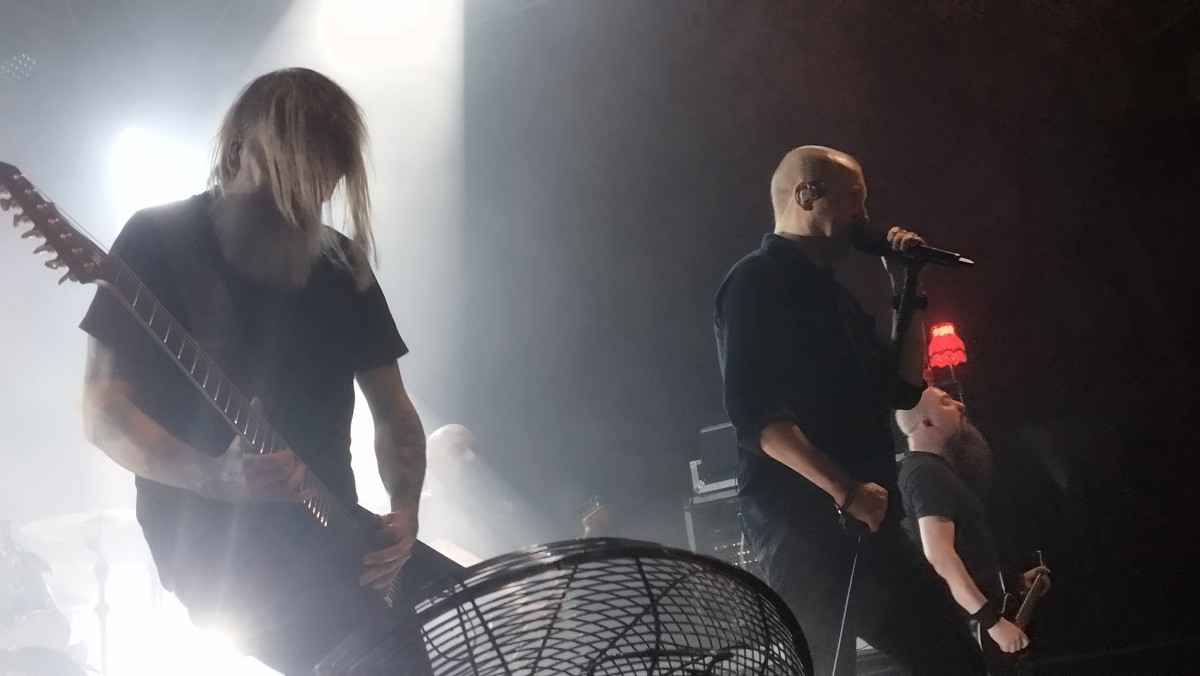
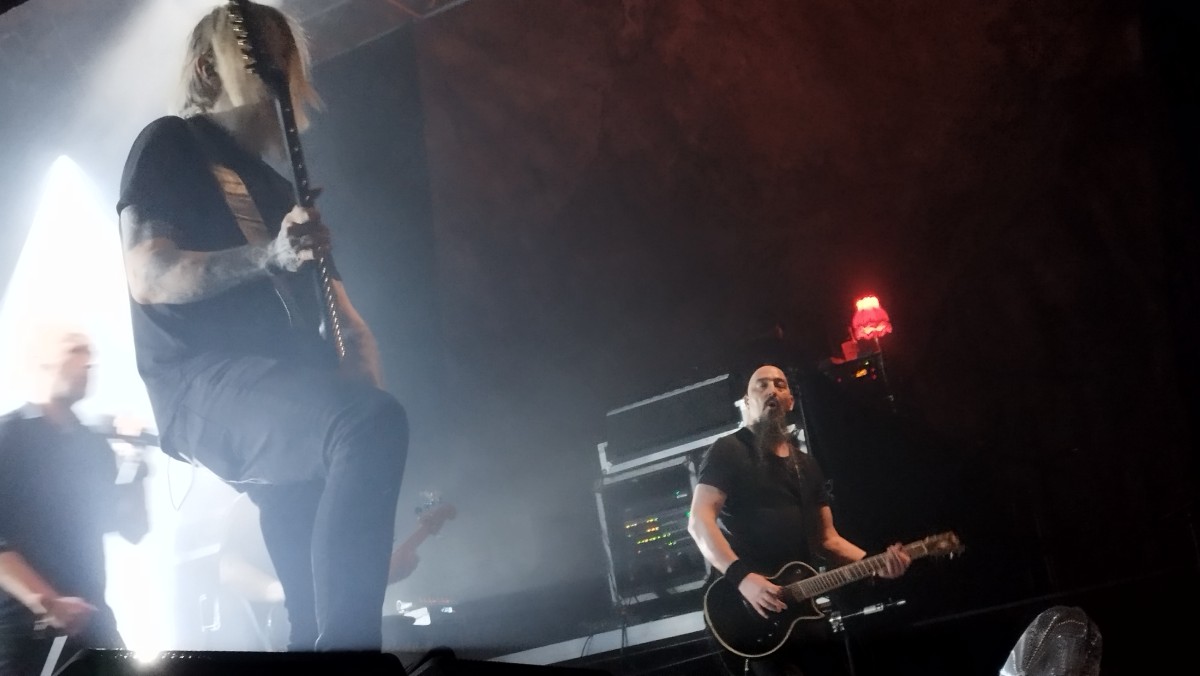
First two live photos by Tomaz
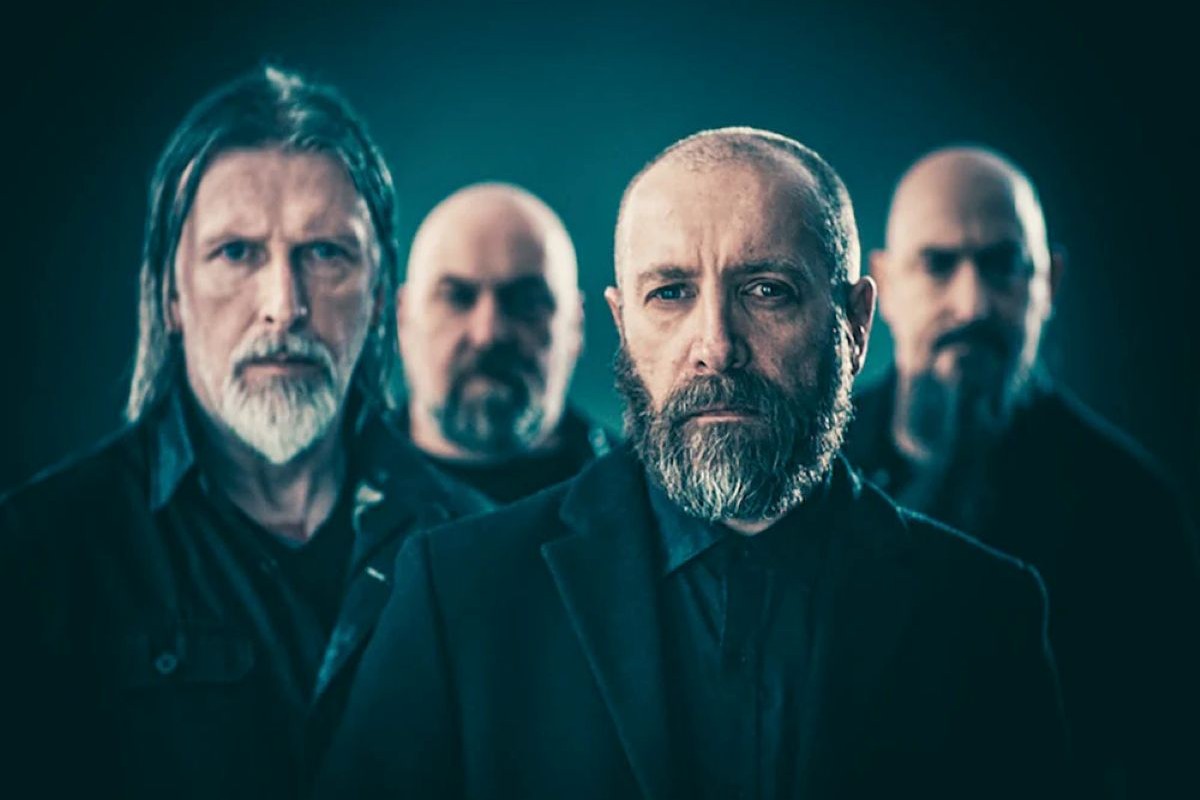
Paradise Lost links: Official Website, Facebook, Instagram, YouTube
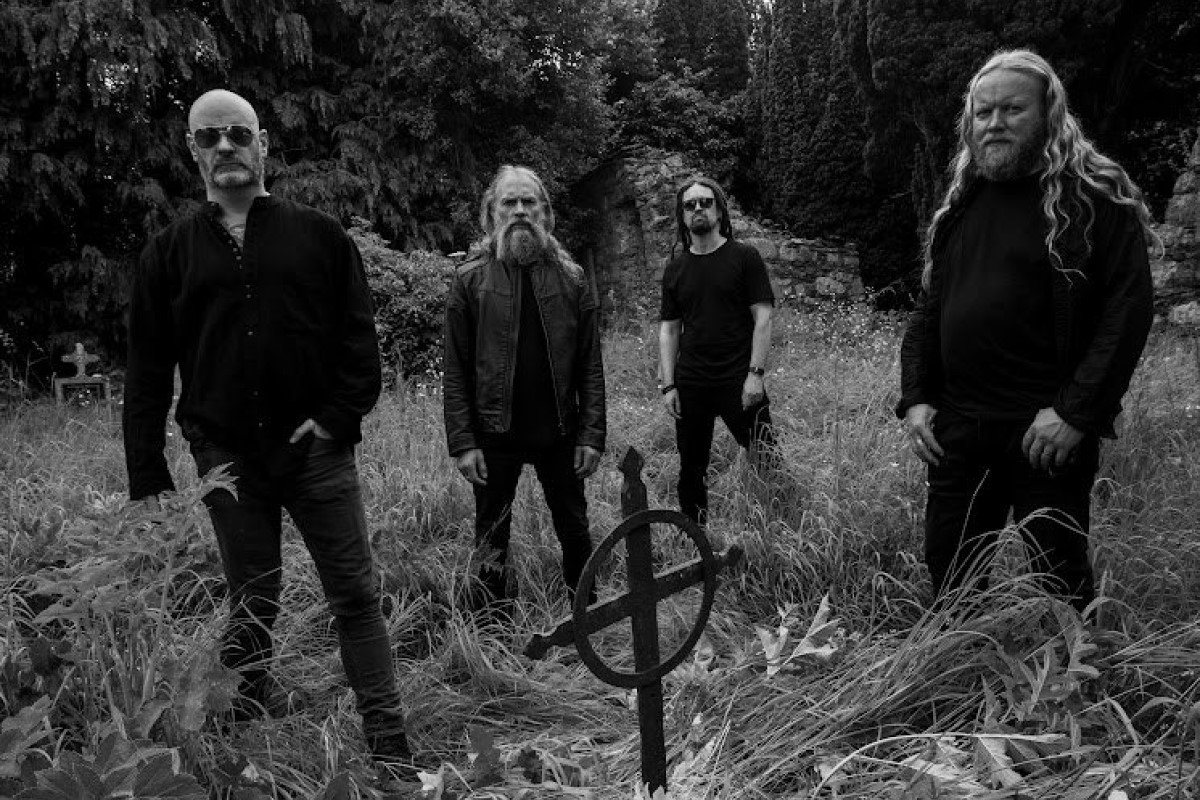 "I'm sort of asking questions - where are the heroes? Where's the defiance? Where are the people who oppose this?" - Alan "Nemtheanga" Averill
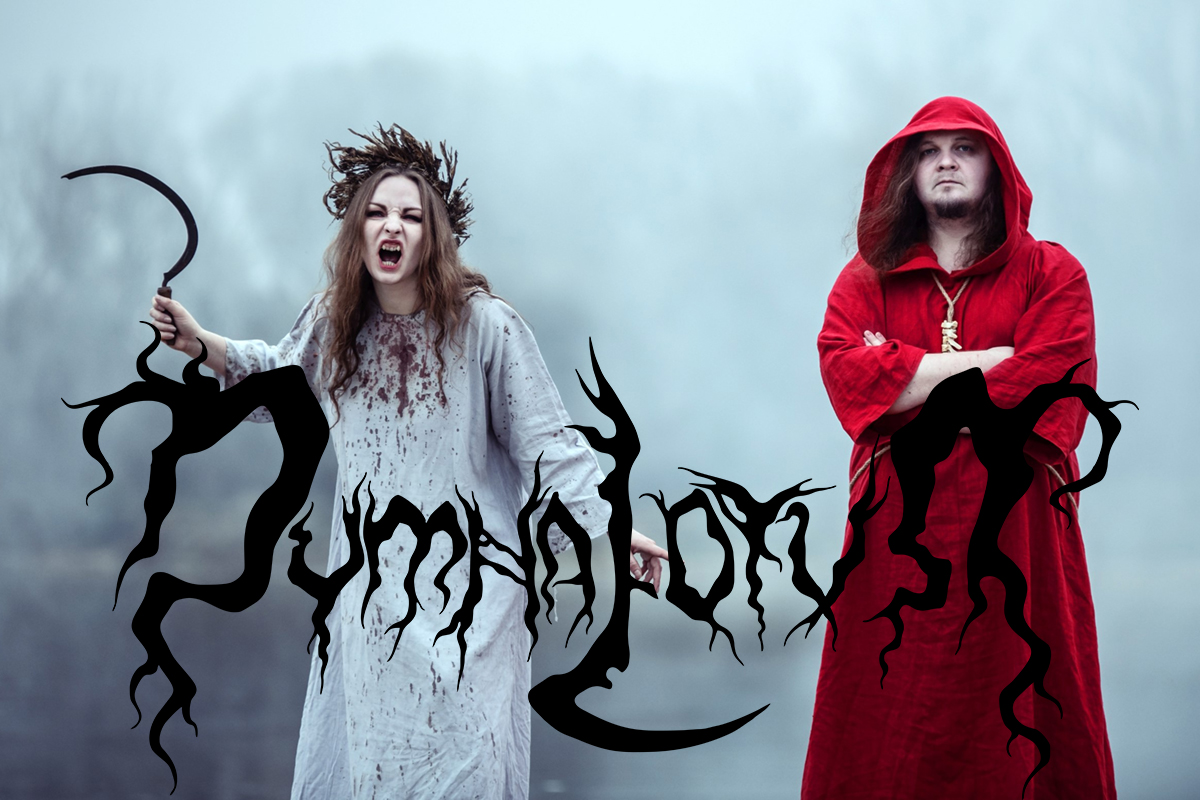 "I can call our show an emotional exhibitionism. If you want to drink beer and cry, please come to our show, haha." - Nokt Aeon
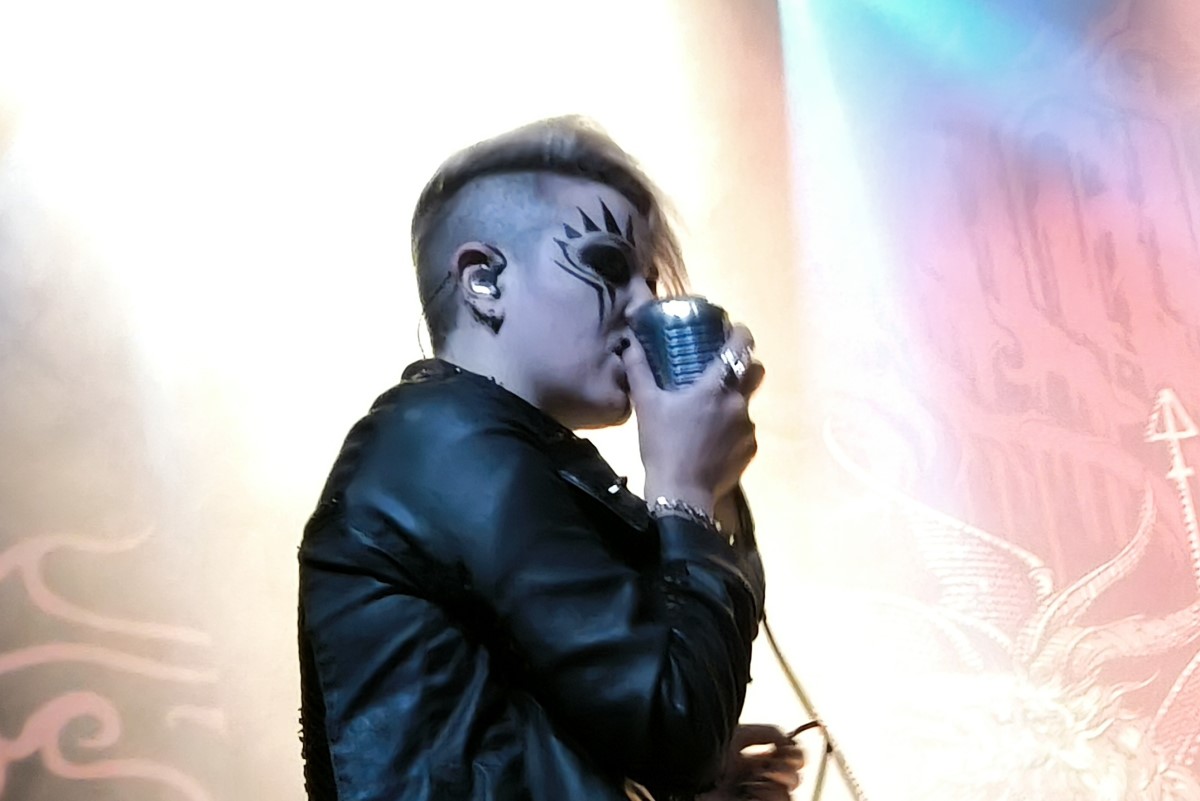 "We were kind of exploring dark subject matters and darker sounds. I really like that, and this is the direction we are going right now." - Larissa Vale
 "We try to support our army as much as possible since we also have friends on the frontline." - Helle Bohdanova