

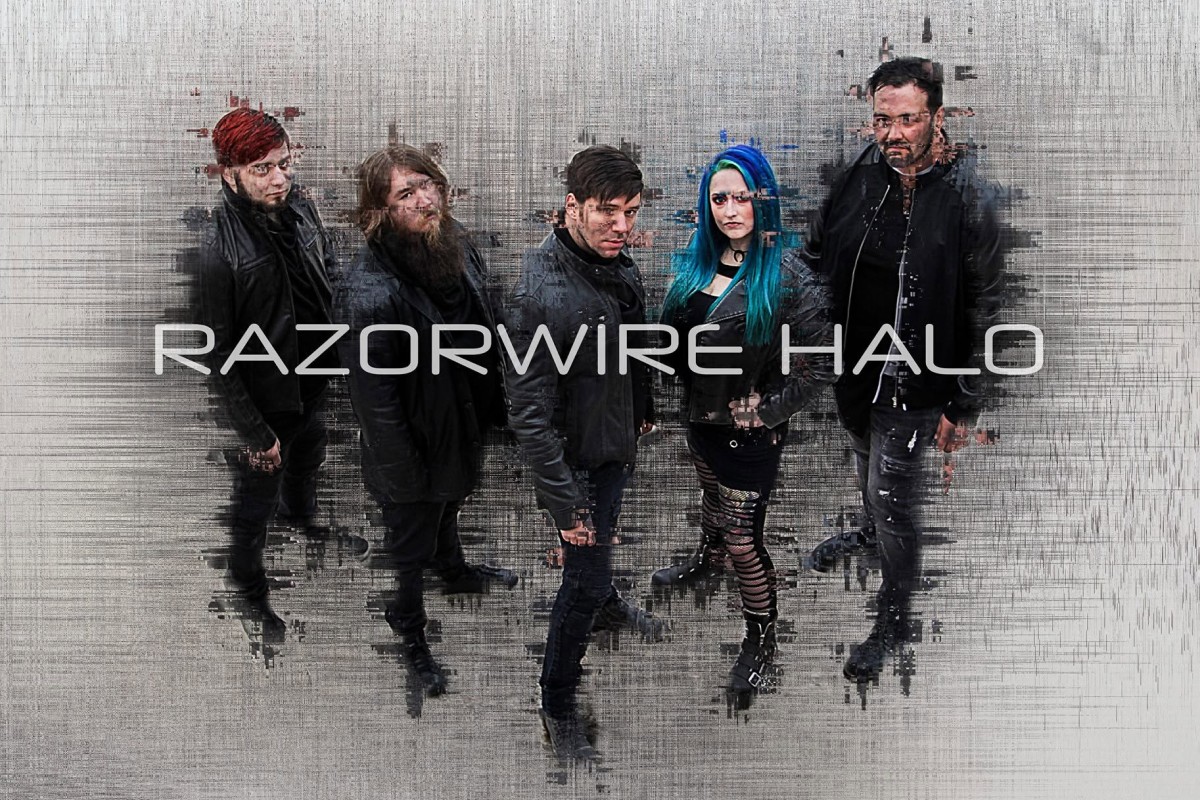
Kansas City–based industrial metal/electro‑rock outfit Razorwire Halo return with a striking new release: a dark, immersive reinterpretation of Nine Inch Nails’ iconic Pretty Hate Machine ballad “Something I Can Never Have”. Rather than attempting to outshine or radically reshape the original, the band approach the track with reverence — and a clear artistic vision — crafting a version that feels both intimately familiar and unmistakably their own.
For decades, the 1989 classic has stood as one of Trent Reznor’s most emotionally devastating compositions, a slow‑burn descent into longing, fragility, and quiet despair. Razorwire Halo lean into that emotional gravity, amplifying its atmospheric tension with their signature blend of industrial textures, cinematic electronics, and raw, expressive vocal work.
In a collective statement, the band reflect on their approach: “When approaching the cover of ‘Something I Can Never Have’, our goal was not to reinvent the song, but to honour what made it special while incorporating elements of our own musical identity. We stayed closely aligned with the original piano and synth‑driven foundation, preserving the mood and intimacy that define the track. At the same time, we introduced our own stylistic touches through the performance, production and overall sonic texture to create a version that feels both familiar and uniquely ours.”
They continue: “The recording process focused heavily on atmosphere and emotion. We wanted every piano note, synth layer, and vocal phrase to contribute to the emotional journey of the song. Rather than overcomplicating the arrangement, we concentrated on capturing the sense of longing and reflection that has made the original such a timeless piece. Finding the right balance between staying faithful to the source material and expressing our own artistic voice was the most important part of the process.”
That balance is precisely what gives Razorwire Halo’s rendition its impact. The band deepen the song’s sense of isolation and yearning, weaving in subtle industrial undercurrents and a modern, high‑definition production aesthetic. The result is a slow, enveloping build — a version that respects the emotional architecture of the original while expanding it into a broader, more cinematic soundscape.
From the opening notes, the track unfolds like a descent into memory: shimmering synths, restrained yet powerful dynamics, and a vocal performance that leans into vulnerability rather than theatrics. Heartbreak, obsession, loss, and longing remain at the core, but Razorwire Halo’s interpretation brings a new immediacy — a sense of standing inside the song rather than observing it from a distance.
For a band long unafraid to explore the darker corners of emotion and sound, this release feels like a natural extension of their artistic identity. It is both a tribute and a transformation, a respectful nod to one of industrial rock’s most enduring works and a reminder of Razorwire Halo’s ability to channel intensity through atmosphere rather than aggression. Link
 Canadian dark‑electropop artist Eva X returns with “Dance In Shadows”, the preview single for her forthcoming album Turbopink, set for release on 6 November. Equal parts synth‑pop, metal...
 Berlin‑based darkwave act Night Nail have released “Vile Train”, the first digital single from their forthcoming album Infinite Fountain, due on 6 November via Icy Cold Records. The track...
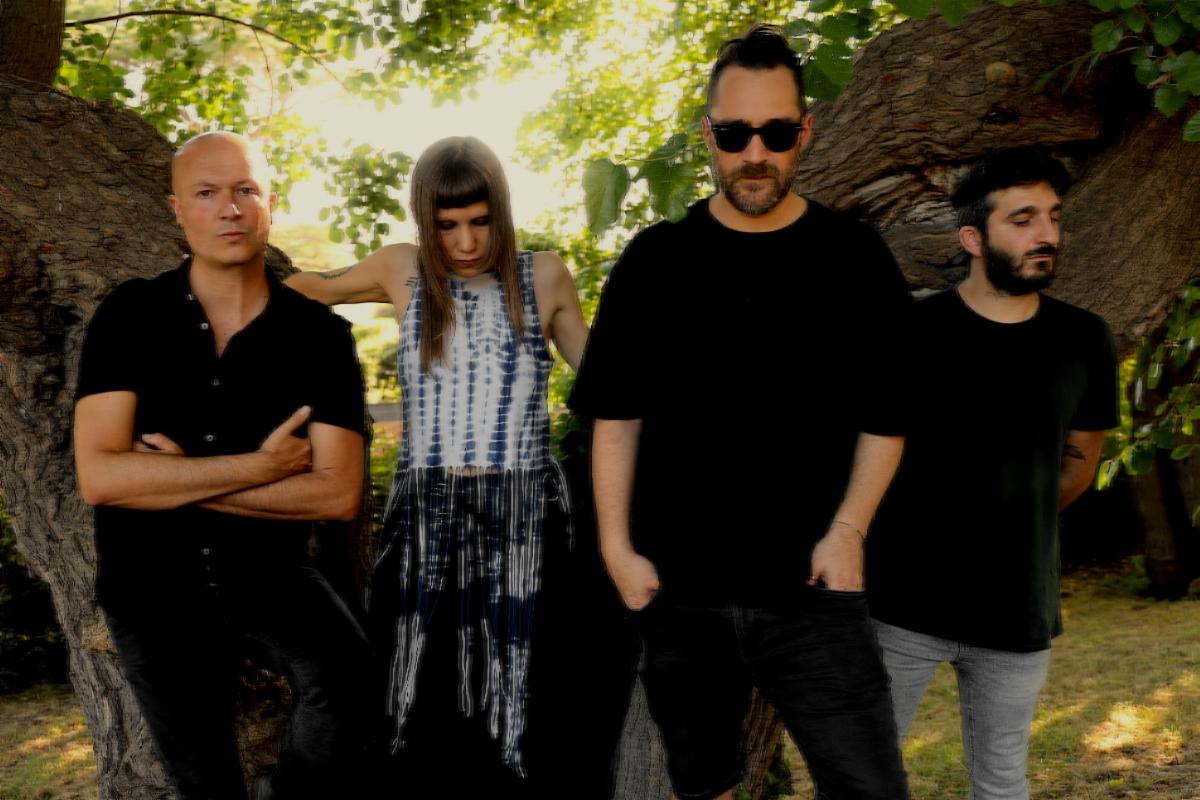 "Gift From The Fog" is the sombre second cut from Inhabit, the ghostly second album by Italian ambient doom/dreamgaze quartet Bosco Sacro, set to emerge on 6 November under Supernatural...
 US dream‑pop duo Magic Wands return with a brand new single, “Diamond Rain”, released via Metropolis Records. Long celebrated for their luminous blend of dream‑pop, shoegaze, post‑punk...
 "The speech that they hate is my speech, but my speech is not a hate speech. What can you do? You can just mirror/reflect them - hopefully, they will see how grotesque..." - Dero Goi
 "It's not only about me; everybody deals with identity in a way because the world is asking so much of you all the time. You need to relate to..." - Raven van Dorst
 "It's about humans; we are the high parasites. We feast on the earth and on all the things that the earth gives us. We don't just take a little bit, we take everything." - Aaron Stainthorpe
 "When I found the goth scene and the music and everything around it, I slowly started to find my true self again. I'm fascinated by Satanism - not because I worship Satan..." - Gözde Duzer