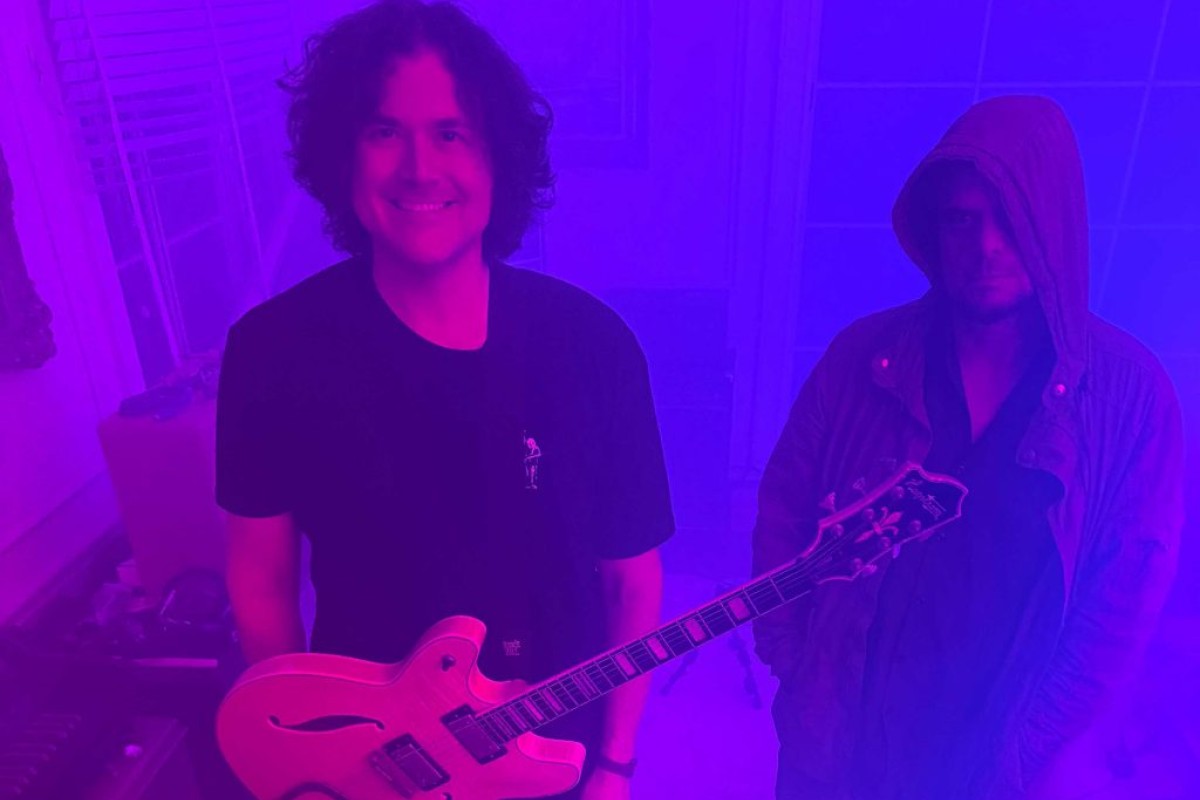
US post‑punk outfit Siren Section have released their long‑awaited full‑length, Separation Team.
Separation Team emerged from unfinished material dating back nearly a decade. Unexpectedly, the band discovered that these older compositions aligned naturally with their newer work, gradually revealing themselves as parts of a fully realised concept album.
At the time, the band were effectively on hiatus. That changed when James was hospitalised and came close to death. What began as a personal act of recovery became an urgent creative drive to make a record that confronts transformation, survival, and the cost of binding oneself to something greater than one's own identity.
The album opens with ritualistic, almost mythic language—phoenix imagery, summoning, and the invocation of forces the narrator cannot fully comprehend. It treats transformation with sincerity, then follows it into increasingly precarious and ultimately doomed territory. The title itself carries shifting meaning: it can be read as a break‑up record, but that interpretation captures only part of the narrative. The album also explores dissociation, solidarity, and the dangerous comfort of shared escape—whether with another person or with a fractured version of the self.
Themes of metamorphosis and co-enabled destruction run throughout the album. The "separation team" becomes a vulnerable partnership that consolidates power at the expense of individuality—a tragic symbiosis that echoes a death-drive allegory. The record circles recurring images of cycles and return: the ouroboros, repetition, and the way identity erodes when something consumes you completely.
Musically, Separation Team is largely genre-agnostic, drawing from industrial, post-punk, shoegaze, and IDM without settling comfortably into any one lane. While theatrical at times, the album avoids melodrama, balancing emotional weight with bursts of noise, propulsion, and cinematic scale. Repeating motifs, lyrical callbacks, and electronic momentum thread the album together across its 80-minute runtime, resulting in a work that feels haunted, confrontational, and deeply personal—yet intentionally open-ended. Ultimately, Separation Team suggests that ruin often comes less from what happens to us than from how we come to understand it. Link

SIREN SECTION - Weaves Themes Of Metamorphosis & Destruction With Separation Team
- Details
- Written by: Jerneja
Related articles
-
A SHORELINE DREAM - Marks 20 Years With New Single “20”, Announces Album Waiting
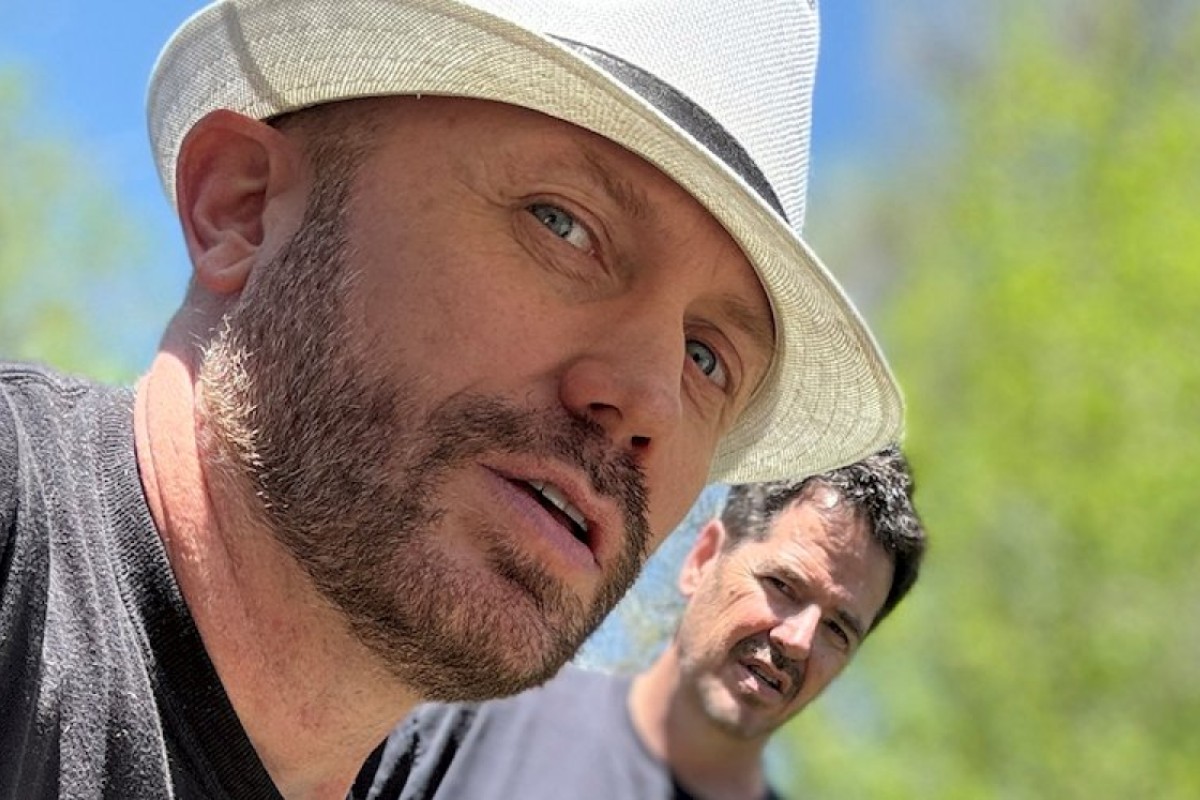 Colorado (USA)-based post‑punk/shoegaze duo A Shoreline Dream enters its twentieth year with “20”, a dark, introspective single that reflects on distance travelled and the uncertain...
 -
TALIA HOIT - Releases New Album When The Skies Fall And Unveils Powerful New Single "Torn"
 US symphonic metal artist Talia Hoit has presented her new album, When The Skies Fall, her sophomore solo opus and most emotionally exposed work to date, alongside the third single and...
 -
FLAME - Unleashes Second Track From Forthcoming Third Full-Length
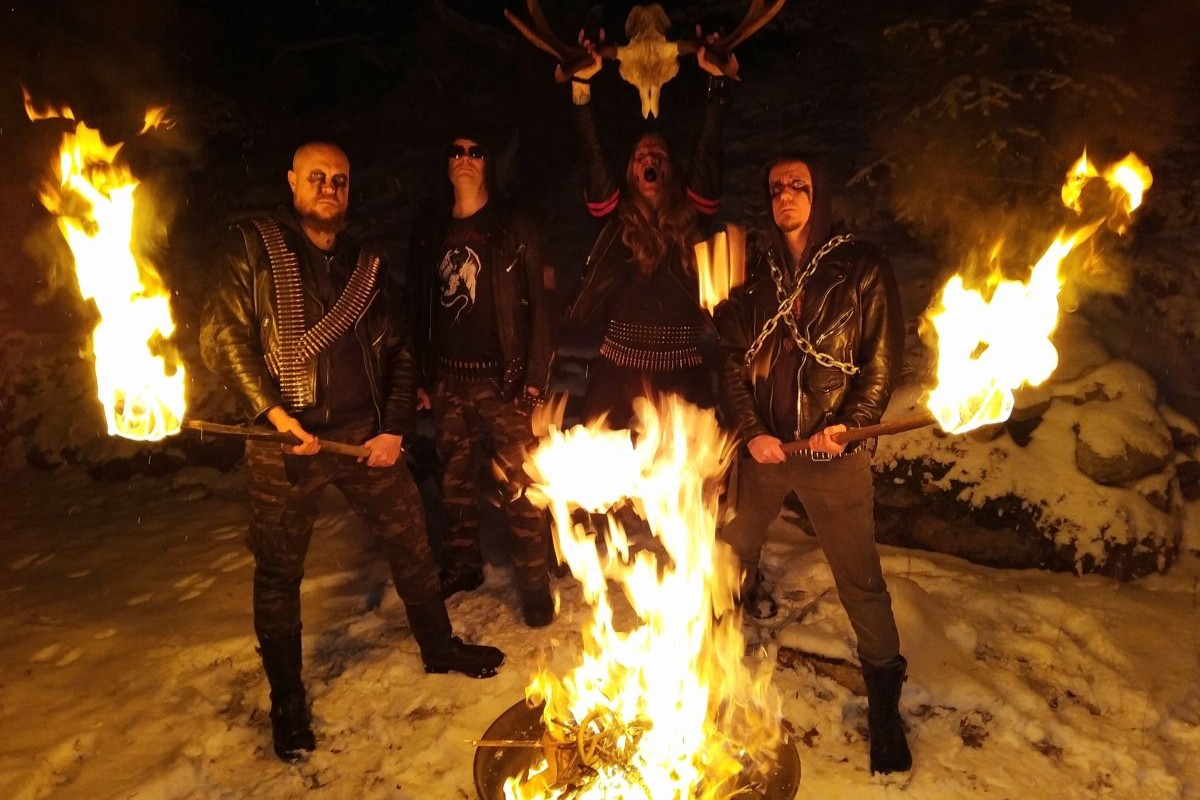 Finnish black metallers Flame have put out the second piece, "Spellfire", from their impending third album, Ignis Draconis Daemonicus, slated for release on 25 September via Primitive...
 -
CHAMELEONS - To Embark On UK & Mainland European Tour
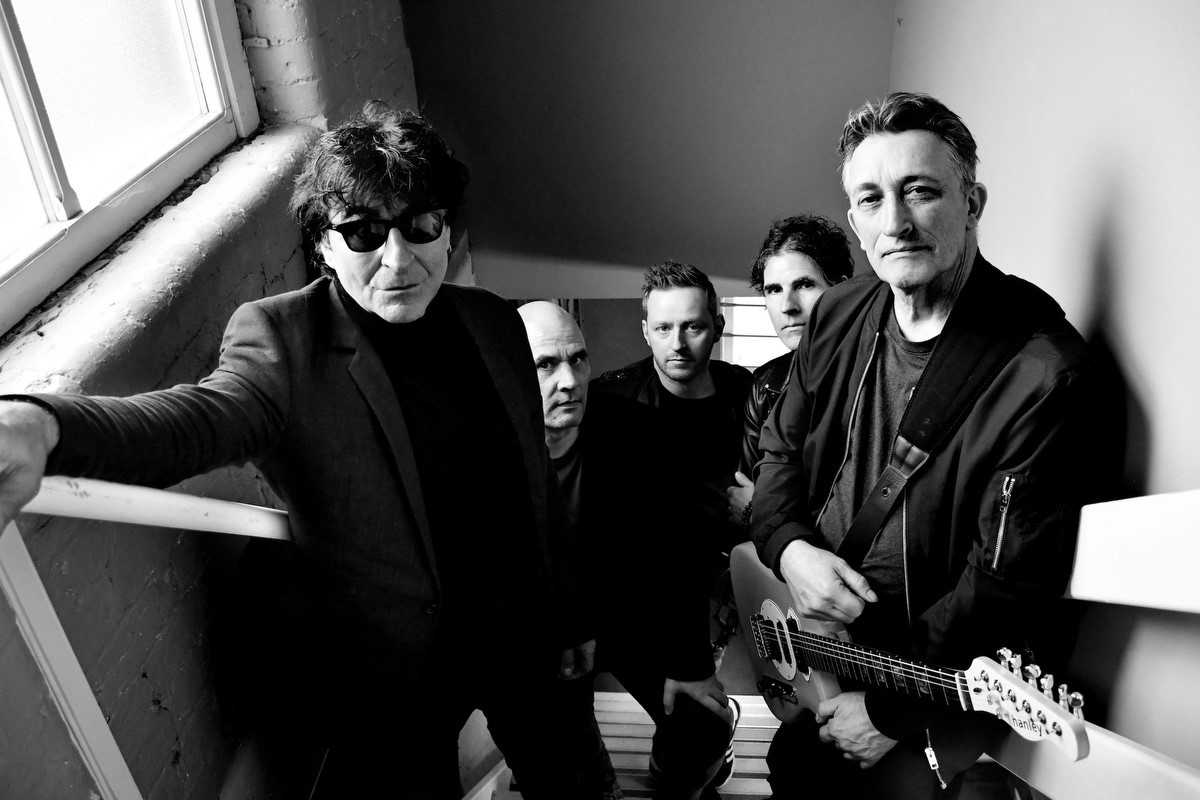 Celebrated British post‑punk legends Chameleons (formerly The Chameleons) will play their final festival appearance of the summer on 23 August, delivering a mainstage set at Beautiful...
-
DUCTAPE
 "When you feel something you need to share, creating songs is the best way to do it. You can reflect on yourself so that you can relax and be relieved of that emotion." - Çağla Güleray
 -
DYMNA LOTVA
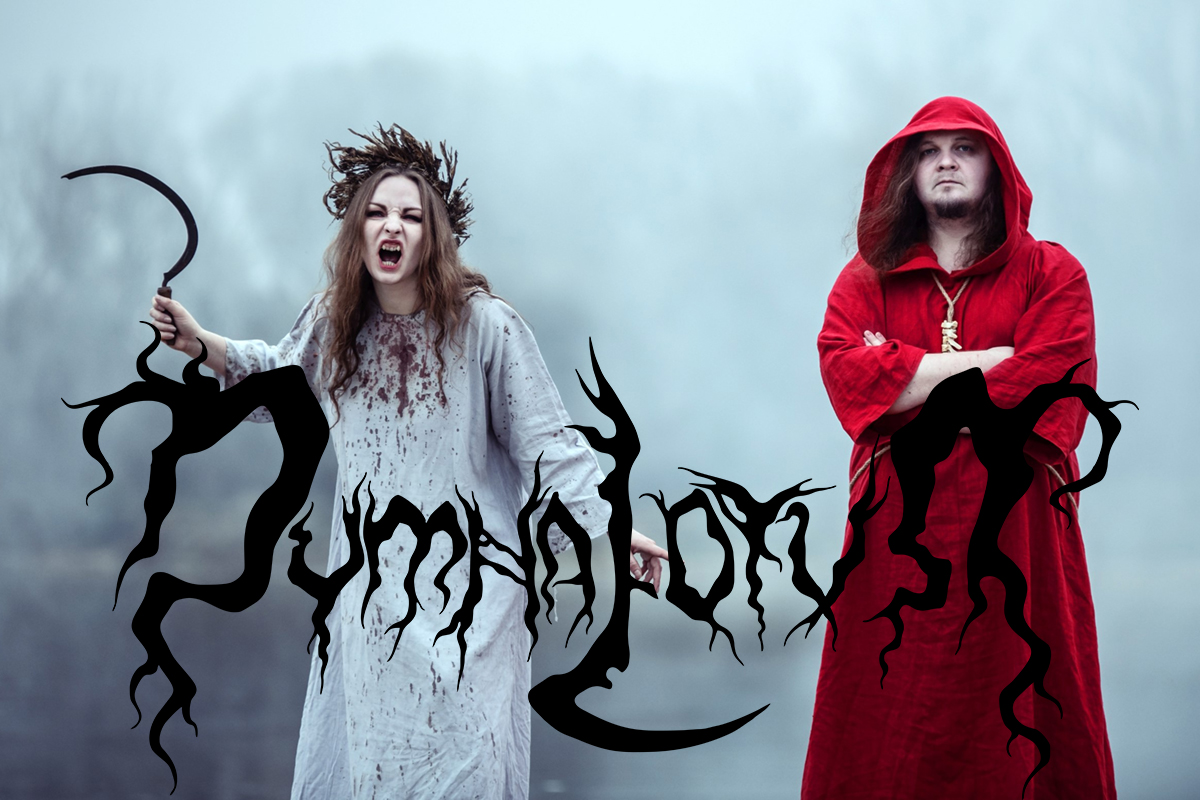 "I can call our show an emotional exhibitionism. If you want to drink beer and cry, please come to our show, haha." - Nokt Aeon
 -
IGNEA
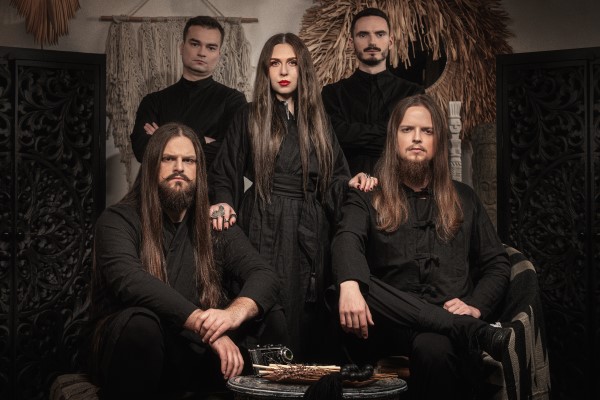 "We try to support our army as much as possible since we also have friends on the frontline." - Helle Bohdanova
 -
NNHMN
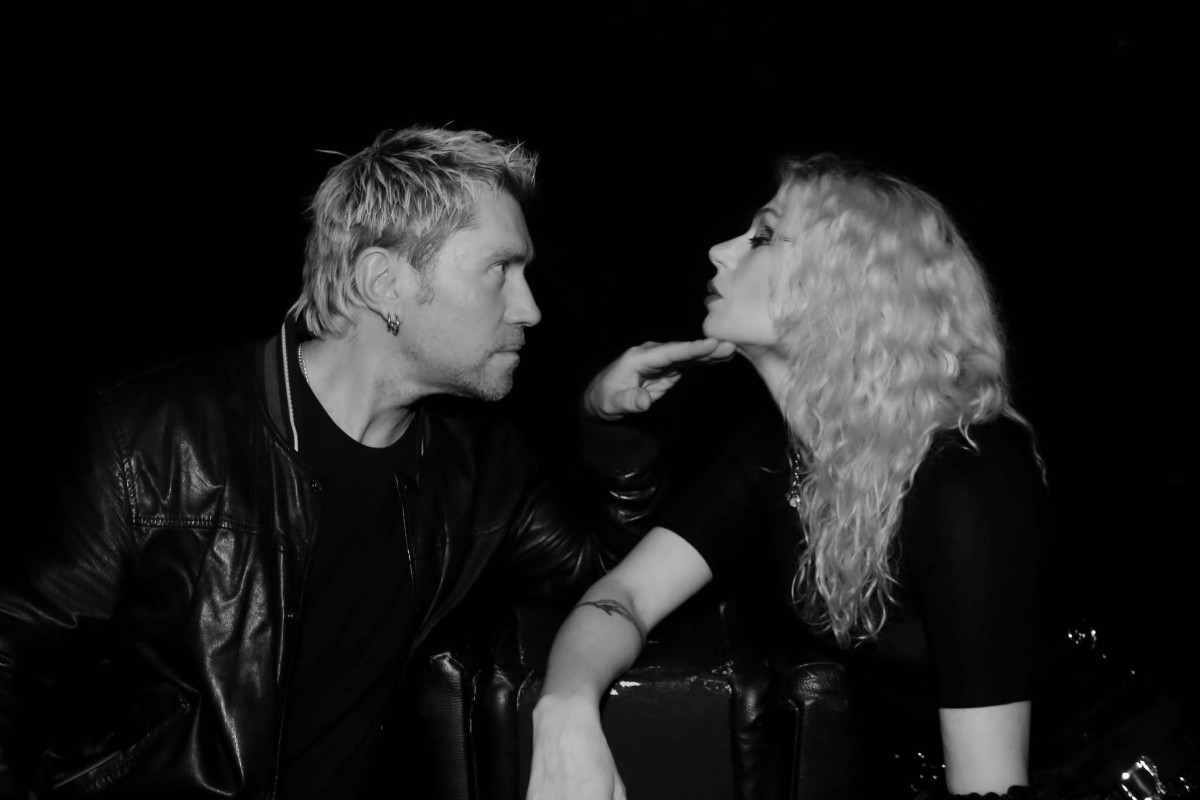 "We're fucking vampires, you know? The desire to stay young forever is always there. But alienation — that definitely comes from being a non‑human person." - Lee Margot

Social Links

Copyright © All Rights Reserved. Powered by Terra Relicta