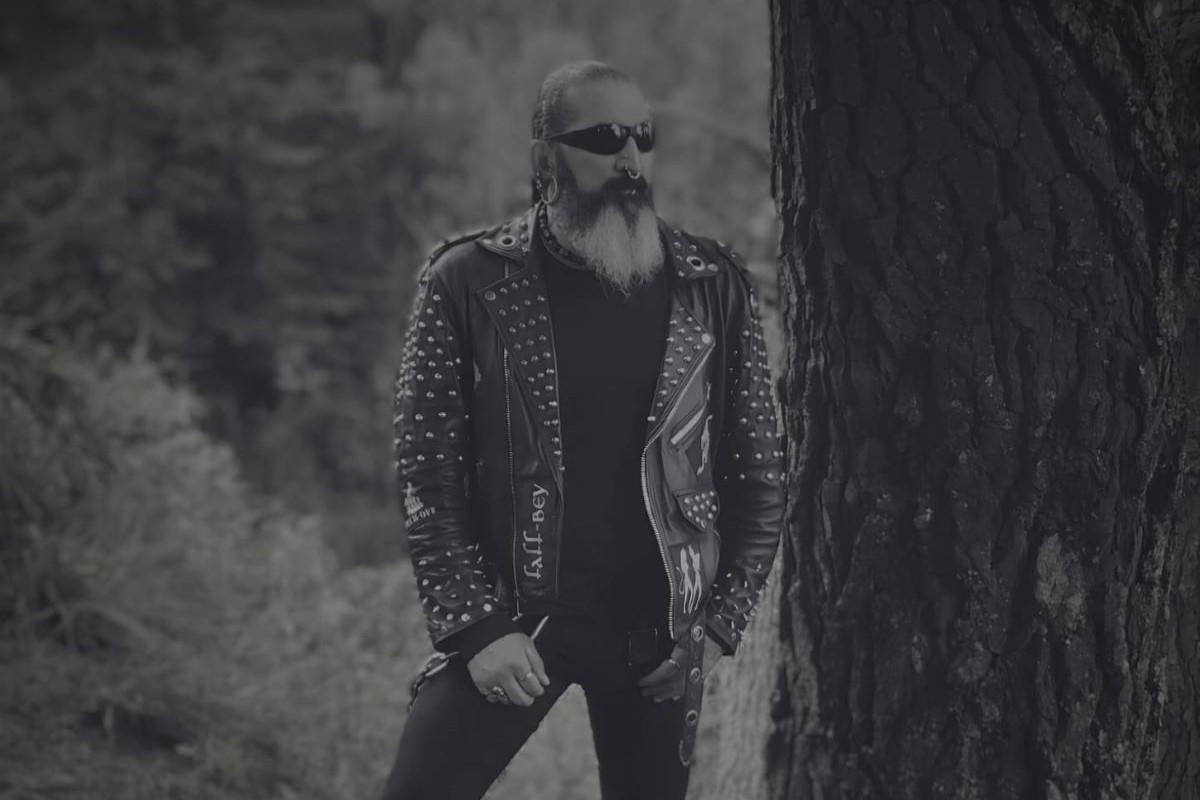
Ecuadorian folk‑ambient/dungeon‑synth entity Urku Llanthu — the solo project of Pablo Mesías — has released his sixth full‑length, Wachuma, via Pablo Mesías' Takiri Producciones Independiente. The title once again derives from the Quechua language and refers to the "master plant" of the Andes: a sacred cactus associated with masculine energy, often compared to the presence of a father or grandfather. Wachuma is believed to awaken the inner healer within every human being. Wachuma is a mystical Andean plant capable of bridging the material and spiritual worlds. During ceremonies led by Andean priests, known as wachumeros, the spirit is said to ascend, guided by the plant's profound visionary properties.
Within Andean ritual and cosmology, wachuma is regarded as a medicine that "clarifies the thoughts and softens the soul". Its purpose is to help the participant "bloom" during the ceremony — for the subconscious to "open like a flower", much like the cactus itself, which blossoms at night.
Considered one of the oldest magical plants in South America, wachuma has long been rejected by the Catholic Church. Yet, like many Latin American traditions, it has endured through a syncretic blend of Christian and pre‑Christian elements within rituals, ceremonies, and healing practices. This plant‑being remains deeply rooted in the ancestral lineage of South America's peoples.
The Kichwa people teach that wachuma helps one reconcile with oneself, with the earth, and with the ancestors. In a world filled with noise, its medicine teaches us to listen; in a world driven by haste, it teaches us to feel. Those who approach it with respect are said never to return unchanged — they come back lighter, clearer, and more human.
This is the remembrance that shapes Urku Llanthu's sixth studio album: an artistic and musical creation inspired by the ancestral Andean legacy. Wachuma is a fully conceptual and archaic work, its name drawn from the Quechua tradition that continues to guide its spirit. Link

URKU LLANTHU – Issues Wachuma
- Details
- Written by: Jerneja
-
MARILYN MANSON - Sharpens The Blade With New Single And Video “Front Toward Enemy”
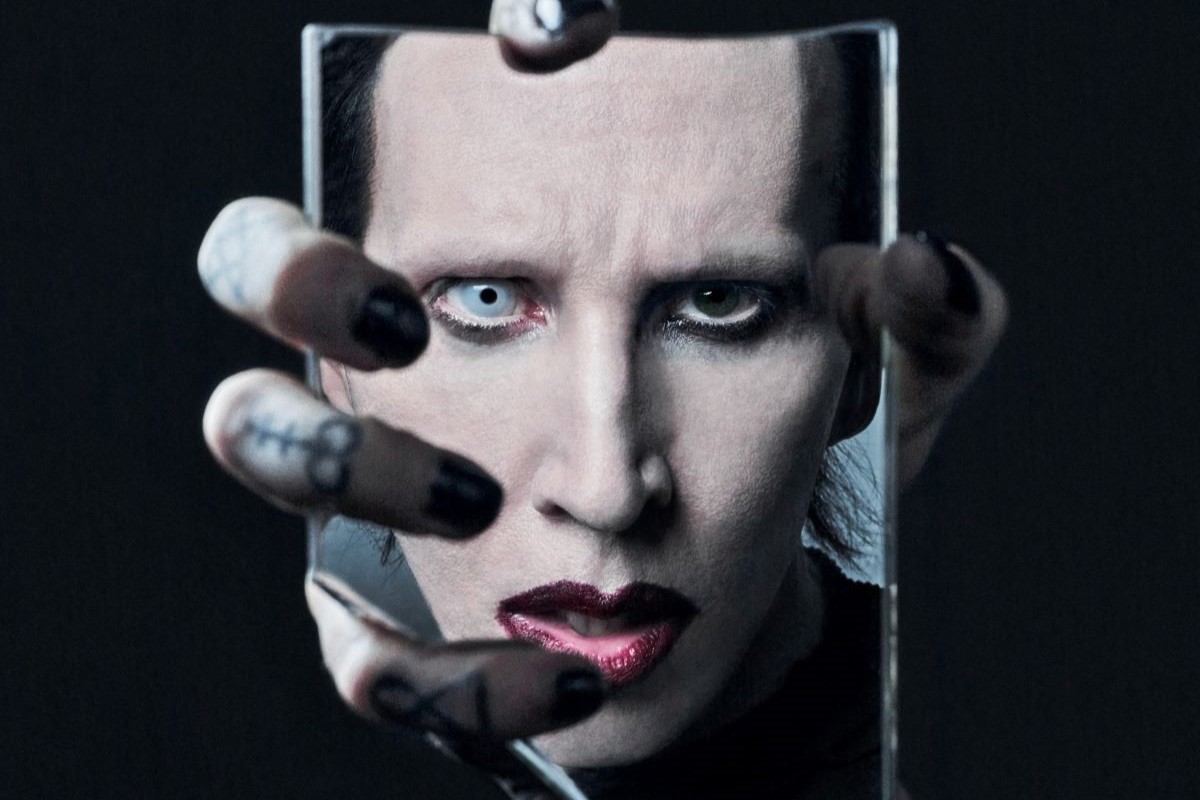 American shock‑industrial icon Marilyn Manson has released “Front Toward Enemy”, the second single and accompanying video from his forthcoming album One Assassination Under God – Chapter 2.
 -
MISS CONSTRUCTION - Unleashes “Boys & Ladies” As It's Industrial Comeback Accelerates
 Chris Pohl’s EBM/industrial‑electro project Miss Construction continues its high‑voltage resurgence with the new single “Boys & Ladies” — the sixth track to surface since the project...
 -
SOULFALLEN - Offers "A Promise Of Storm" From Uncharted Plains
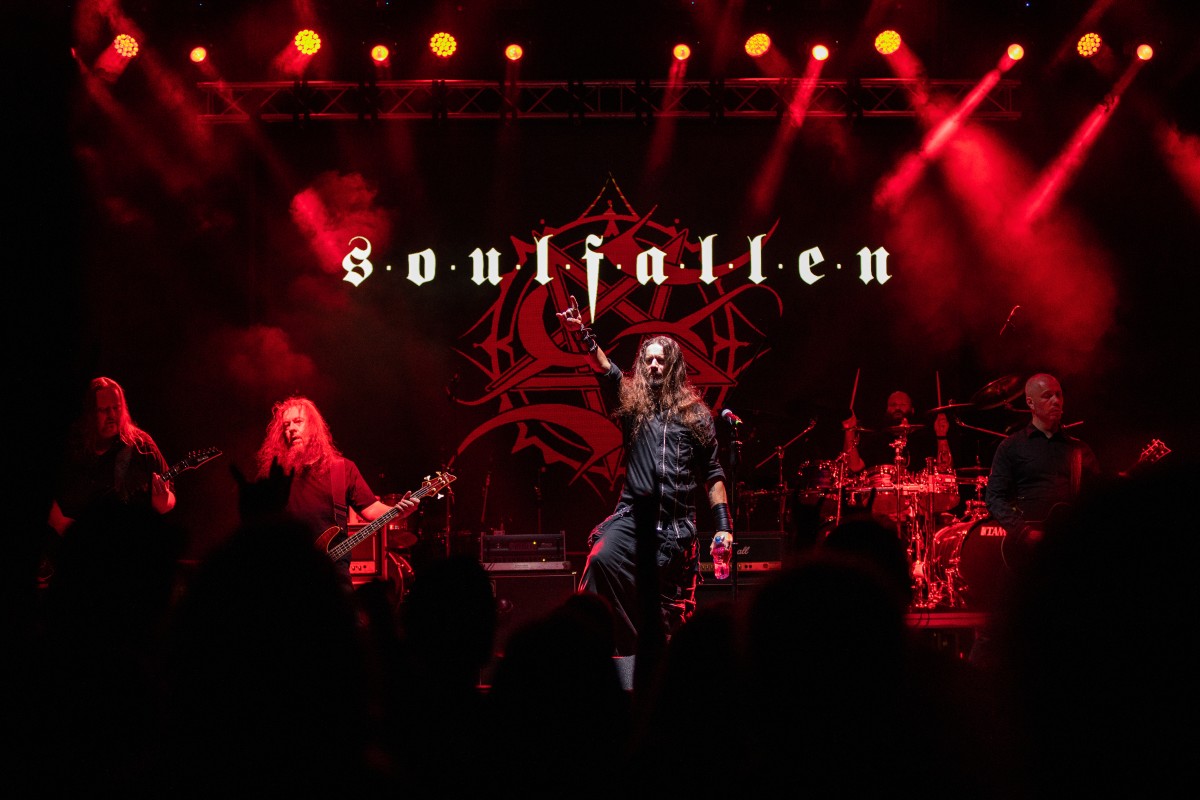 Finnish melodic dark metal ensemble Soulfallen have dropped the third and final composition from their forthcoming record, Uncharted Plains, due out on 20 November through Inverse Records.
 -
HEAVENWOOD - Offers Video For "The Sun"
 Portuguese gothic/dark metal act Heavenwood have issued a new video for the track "The Sun", taken from their latest album, The Tarot Of The Bohemians – Part II — the second and final...
-
DOOL
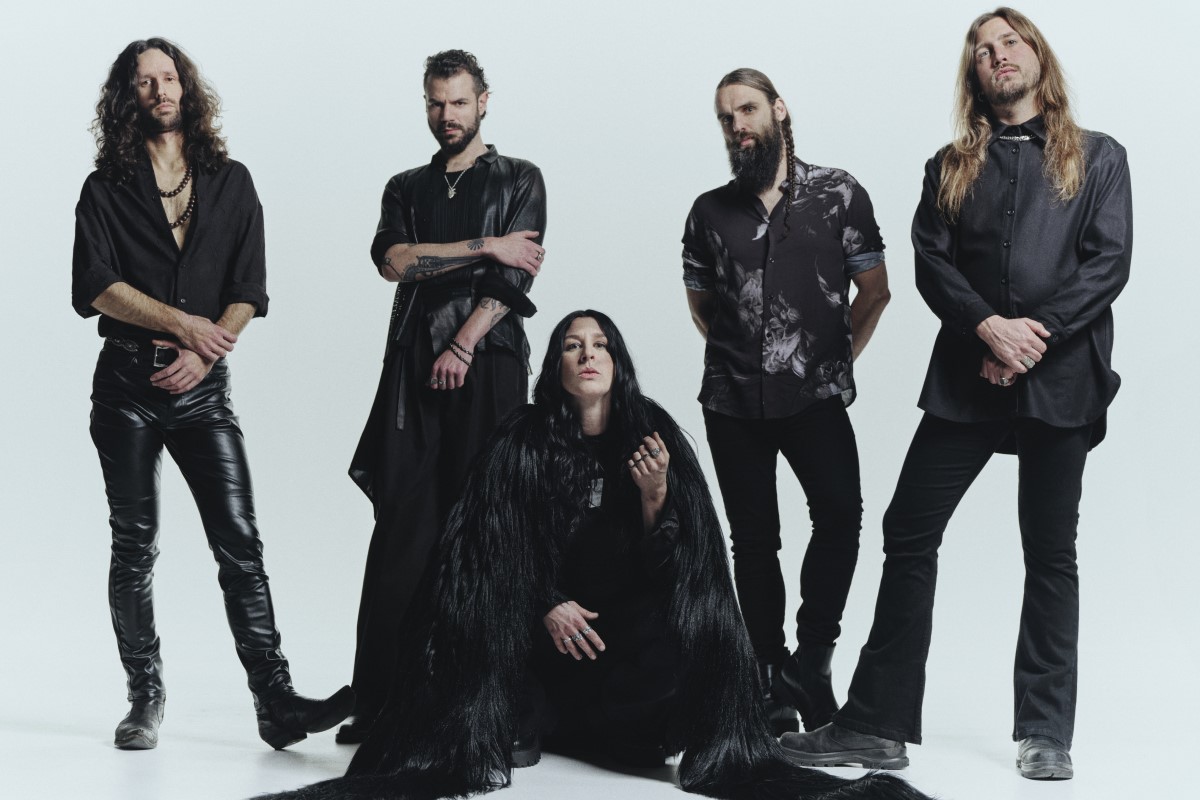 "It's not only about me; everybody deals with identity in a way because the world is asking so much of you all the time. You need to relate to..." - Raven van Dorst
 -
THERION
 "There were already bands doing small illustrations of symphonic metal, and I was thinking, why doesn't someone do this all the time?" - Christofer Johnsson
 -
MIKAEL STANNE
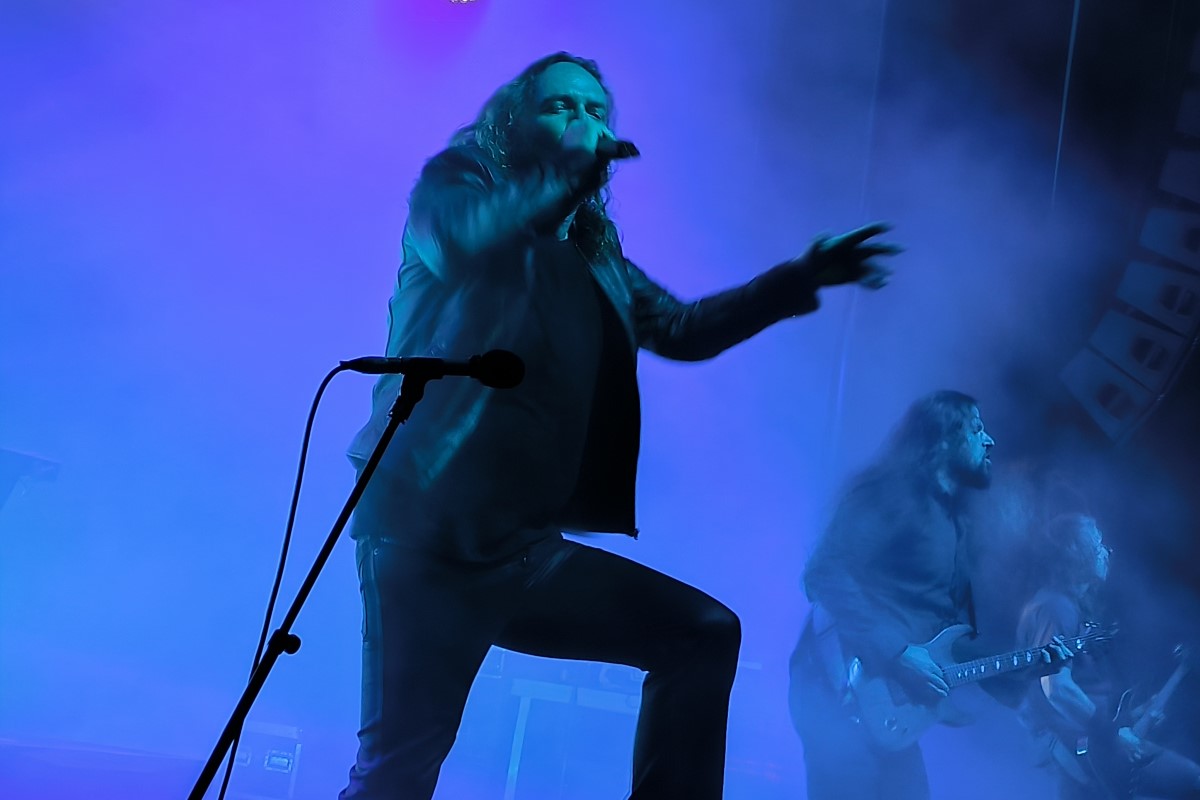 "We were outsiders, and nobody knew what the fuck was going on. We just listened to this extreme music that nobody else liked, and that made us very strong..." - Mikael Stanne
 -
MONO INC.
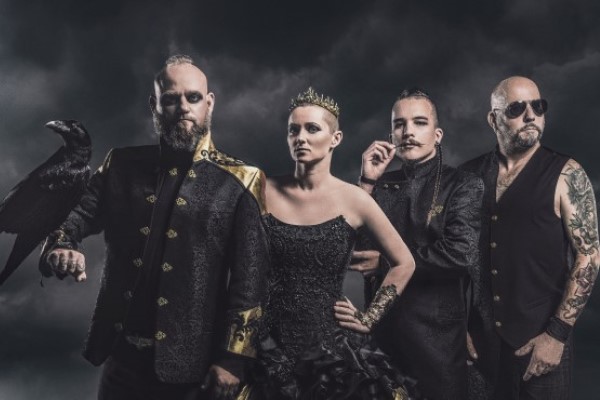 "Within this darkness, where there's no light at all, the golden raven still shines. It's not like a perfectly cut statue of Michelangelo..." - Val Perun

Social Links

Copyright © All Rights Reserved. Powered by Terra Relicta