
![Choke Chain - Decomposition [EP]](/images/Albums/REVIEWS/chokechain_decomposition.jpg#joomlaImage://local-images/Albums/REVIEWS/chokechain_decomposition.jpg?width=1200&height=1200)









![Liv Kristine - Deus Ex Machina [Re-Release]](/images/Albums/REVIEWS/livkristine_deusexmachina.jpg#joomlaImage://local-images/Albums/REVIEWS/livkristine_deusexmachina.jpg?width=1200&height=1200)
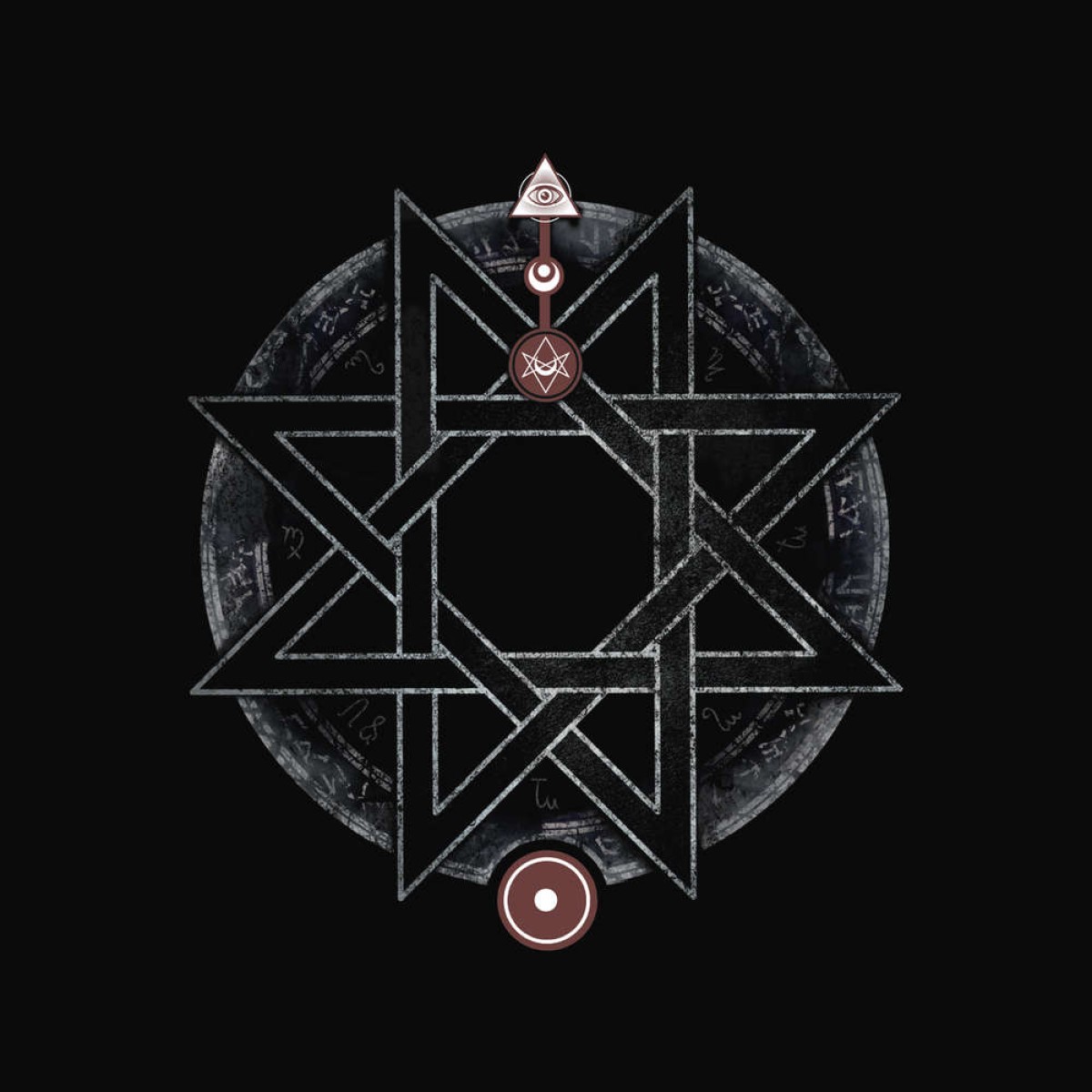

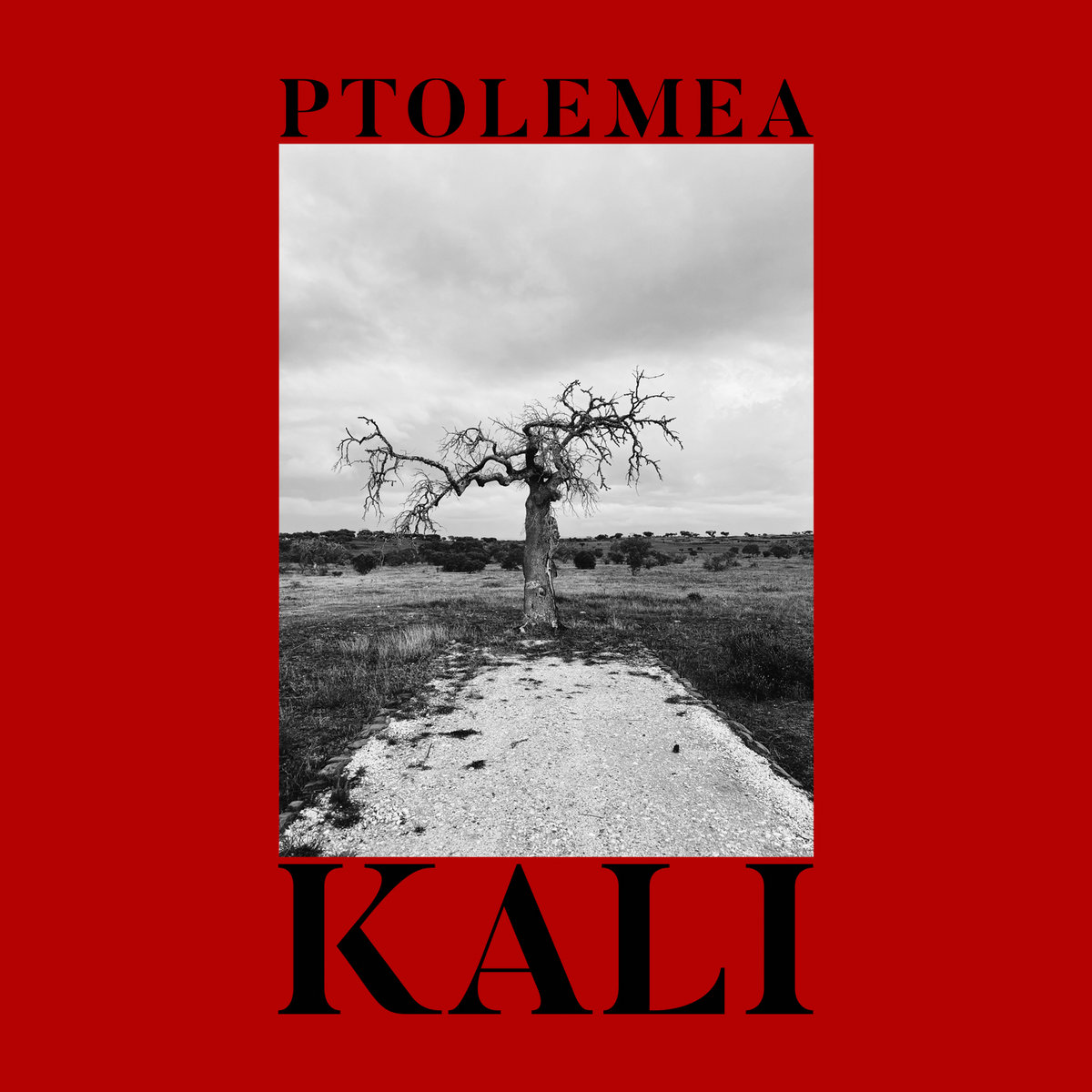
Band: Ptolemea
Album title: Kali
Release date: 06 November 2025
Label: Raging Planet Records
Genre: Dark Alternative Rock, Doom Rock
Tracklist:
01. Kura
02. Breathe
03. Blue Moon
04. Luta
05. Guilhotina
06. Andhera
07. Gaivota
08. Aqui, Ali, Acolá
09. Kali
Every so often, an album comes along that invites the listener to sit back and listen to its story – to fully experience not only its music, but also its origin and intention. For me, Kali is that kind of album. The latest offering from Ptolemea unfolds as a ritual of transformation, tracing cycles of destruction and rebirth through sound, language, and feeling. It is an album that does not force its narrative but instead honours and encourages the nonlinear (and often uncomfortable) journey of self-reflection, healing, and reinvention.
At the heart of Ptolemea stands songwriter and vocalist Priscila Da Costa, whose voice serves as both anchor and compass throughout the album. Her delivery is gorgeously dynamic, moving effortlessly between restraint and power, vulnerability and command. Shifting between Portuguese and English, the lyrics prioritise emotional resonance over literal understanding. This approach feels intrinsic to Kali's identity, reinforcing its themes of memory, longing, balance, and renewal as universal experiences.
The journey begins with "Kura", a song rooted in shadow and remembrance. Dark and atmospheric, the music draws the listener in and establishes the album as a meditative space where past and present converge. The track unfolds in cycles, falling and rising as if tracing the repetitive nature of personal reckoning. It speaks to confronting memory and searching for the freedom of youthful dreams, only to recognise that those dreams are never truly lost, but merely waiting to be reclaimed.
"Breathe" shifts the focus inward. Sung in English, it explores perception, intuition, and the courage required to embrace change at one's own pace. Lyrics such as "only you see what is ending, only you know what you're leaving behind" offer a gentle invitation to reshape perspective. Musically, the song expands gradually, beginning in a hypnotic hush before building into something more resolute and ultimately power-driven. As the title suggests, it feels like a breath held and released – a reminder to trust the rhythm of one's own transformation.
The atmosphere deepens with "Blue Moon", a track that flirts with interdimensional concepts, suggesting healing across time and parallel selves. Beginning with a dense, trance-like foundation, the music builds into an intense emotional catharsis, embodying connection as something vast and uncontrollable, yet profoundly intimate.
Themes of resilience emerge in "Luta", a beautiful, melodic piece where struggle is reframed as a necessary passage rather than an obstacle. The song confronts the discomfort of revisiting old wounds, framing pain as a healing ground from which strength can grow. This sense of decisive rupture continues with the next track, "Guilhotina". Sung in Portuguese, it addresses endings and the resolve required to sever ties with what no longer serves us. Embedded in the deliciously dark and heavy music is a quiet sense of hope – a feeling that even obscured light remains present, patiently waiting to be seen.
With "Andhera", meaning "darkness" in Hindi, Kali suspends language altogether. Driven by powerful guitars and heavy, deliberate percussion, the track uses voice as texture rather than narrative, guiding the listener through shadow and tension. Darkness here is not presented as absence, but as balance – the necessary counterpart to light.
One of the album's most resonant moments arrives with "Gaviota", a cover of the iconic song by Amália Rodrigues, often referred to as the Queen of Fado. Rooted deeply in Portuguese culture, Fado gives voice to saudade, a uniquely profound sense of longing, absence, and loss. Its inclusion adds a layer of historical continuity, grounding the album's introspective journey in collective memory.
"Aqui, Ali, Acolá" gently redirects the narrative towards belonging. Through rich musical textures and expressive vocal delivery, the song reflects on connection and the search for home. Warm, familiar, and grounding, the track offers a moment of intimacy amid the album's broader, more cosmic themes.
The title track, "Kali", serves as the album's culmination and spiritual axis. Drawing inspiration from the Hindu goddess of destruction and renewal, the song embodies transformation through acceptance of necessary endings. Kali does not destroy indiscriminately but clears away ignorance and corruption to allow truth and light to return. It is a deeply satisfying finale, reaffirming the understanding of change as a continuous, living cycle.
Kali is not an album designed for passive listening. It asks for presence, reflection, and emotional honesty. In return, it offers clarity without simplification, guiding the listener through shadow while encouraging self-illumination. The songwriting, musicianship, vocal performances, and production are all executed beautifully and intentionally, resulting in an insightful work marked by maturity and exceptional talent. Deeply personal yet universally relevant, Kali lingers long after its final moments. For listeners drawn to doom rock and dark alternative music, it is a journey well worth taking.
Review by Tiffany
Rating: 9/10