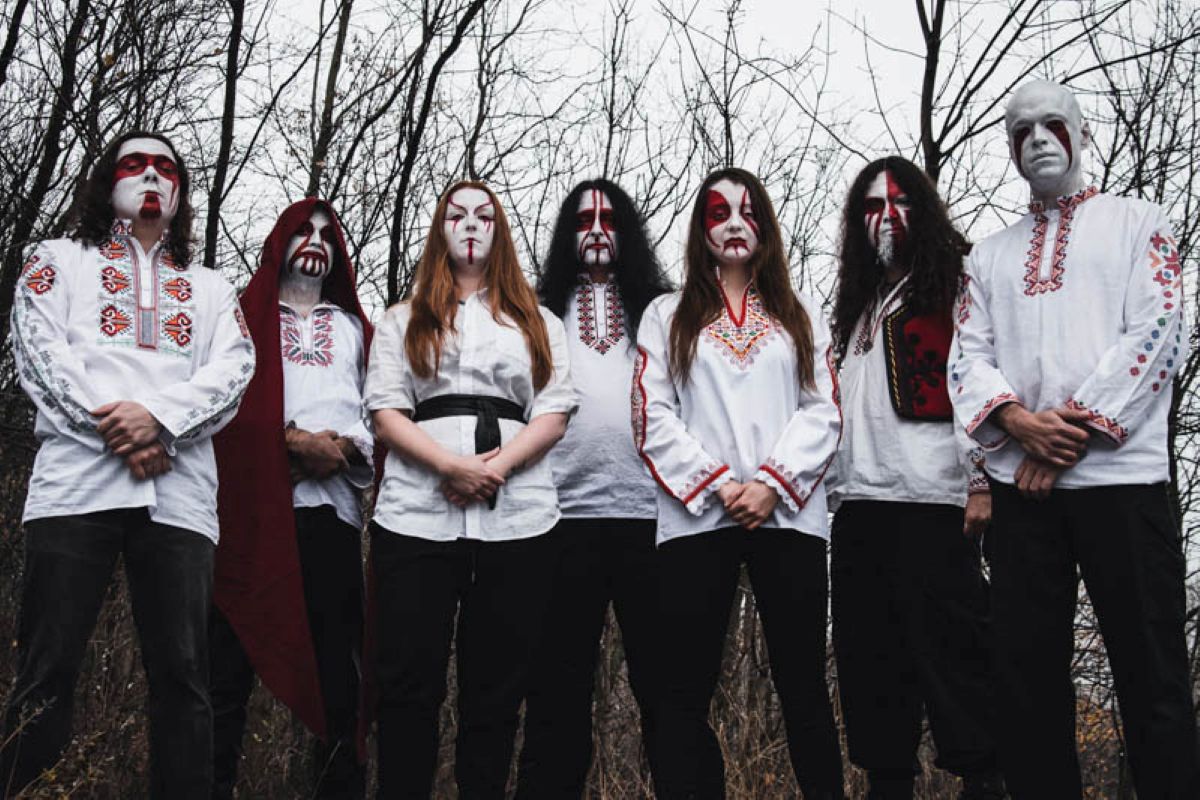
Québec City–based Bulgarian folk/black metal ensemble Цар Стангра (Tsar Stangra) have revealed another offering, "Земни стражи (Guardians Of The Earth)", taken from their soon‑to‑arrive sophomore full‑length Химните на разрушените светове (Hymns Of The Broken Worlds), slated for release on 1 July.
Crafted over nearly a decade, Химните на разрушените светове stands as the group's most ambitious and fully realised artistic statement to date. The record delves into Bulgarian history, folklore, pagan ritual, exile, language, and cultural memory through a fusion of black metal ferocity, Balkan melodic phrasing, ceremonial atmosphere, tambura, orchestration, and lyrics written entirely in Bulgarian.
Founded by vocalist Stanislav Stefanovski, Tsar Stangra was conceived to preserve Bulgarian heritage through extreme metal expression. On this new release, that mission expands into a broader meditation on identity, displacement, and the meeting of worlds. Written largely in Québec by musicians from diverse cultural and musical backgrounds, the album carries a natural tension between Bulgarian folk tradition and Western black metal; between pagan symbolism and literary sources shaped by Christian Bulgarian poets; between ancestral memory and life far from home.
The project itself was born in exile, when Stefanovski and fellow Bulgarian musician Dobrin Stoyanov met in Québec City and began shaping a metal entity rooted in the history, folklore, and spiritual identity of their homeland. From the outset, Tsar Stangra's purpose was clear: to bring Bulgarian heritage into black metal not as ornamentation, but as its structural and emotional core. Their sound is built on the friction between two musical worlds whose rhythmic, melodic, and expressive languages often move in different directions.
That contrast became the foundation of Tsar Stangra's identity. Drawing influence from Rotting Christ, Negură Bunget, and Drudkh, the band merges pagan atmosphere, historical themes, extreme metal aggression, traditional melody, tambura, and Bulgarian‑language lyrics into music that feels both ancient and displaced — shaped by exile, memory, and the desire to keep a culture alive across distance. Link
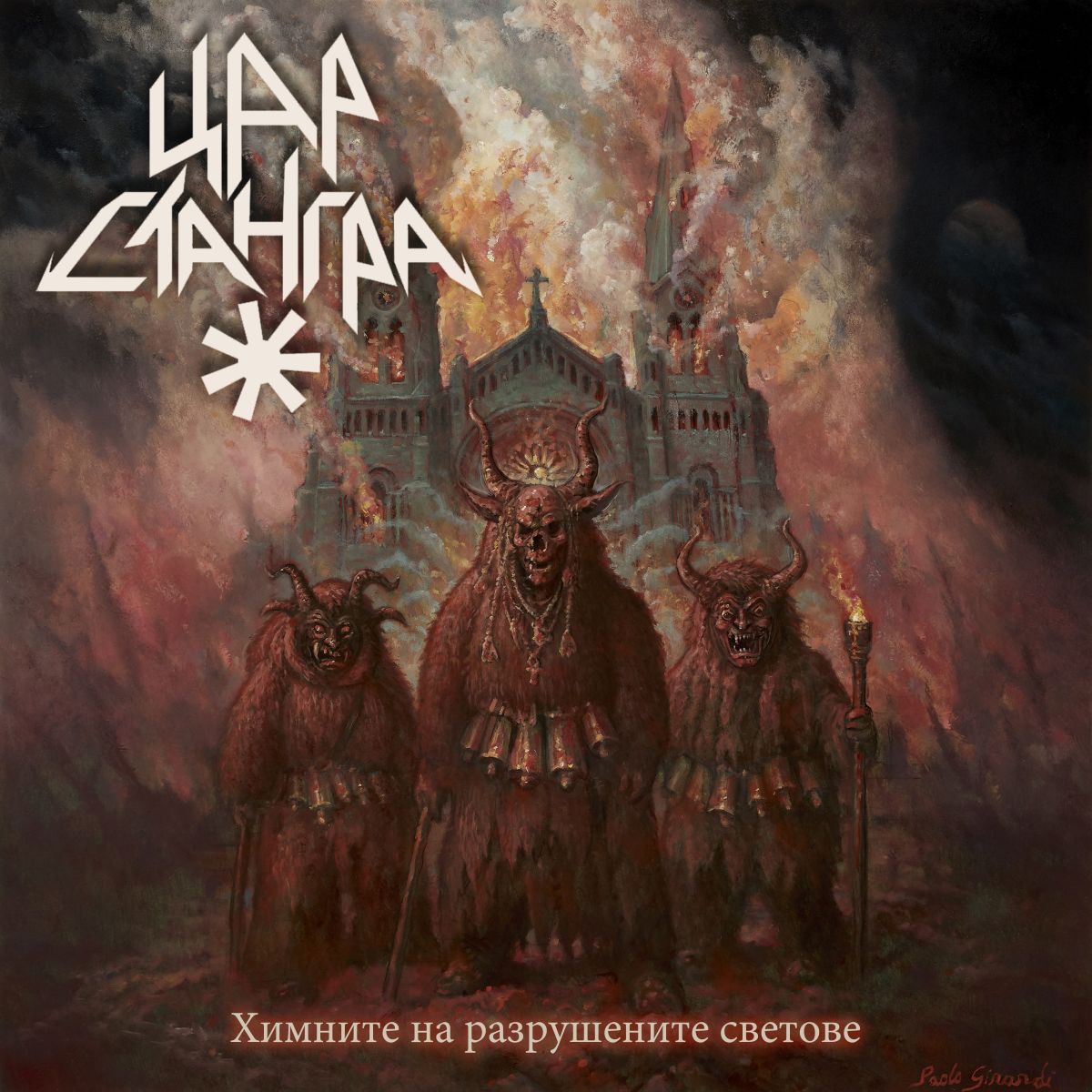
Химните на разрушените светове (Hymns Of The Broken Worlds) tracklist:
1. Тракийци - Черни химни за изгубените (Thracians - Black Hymns for the Lost Ones)
2. Хан Аспарух (Khan Asparuh)
3. Черна песен (Black Song)
4. Последният поход (The Final March)
5. Тъга за Юг (Longing for the South)
6. Земни стражи (Guardians of the Earth)
7. Завръщането на родния бог (The Return of the Native God)
8. Българският език (Bulgarian Language)
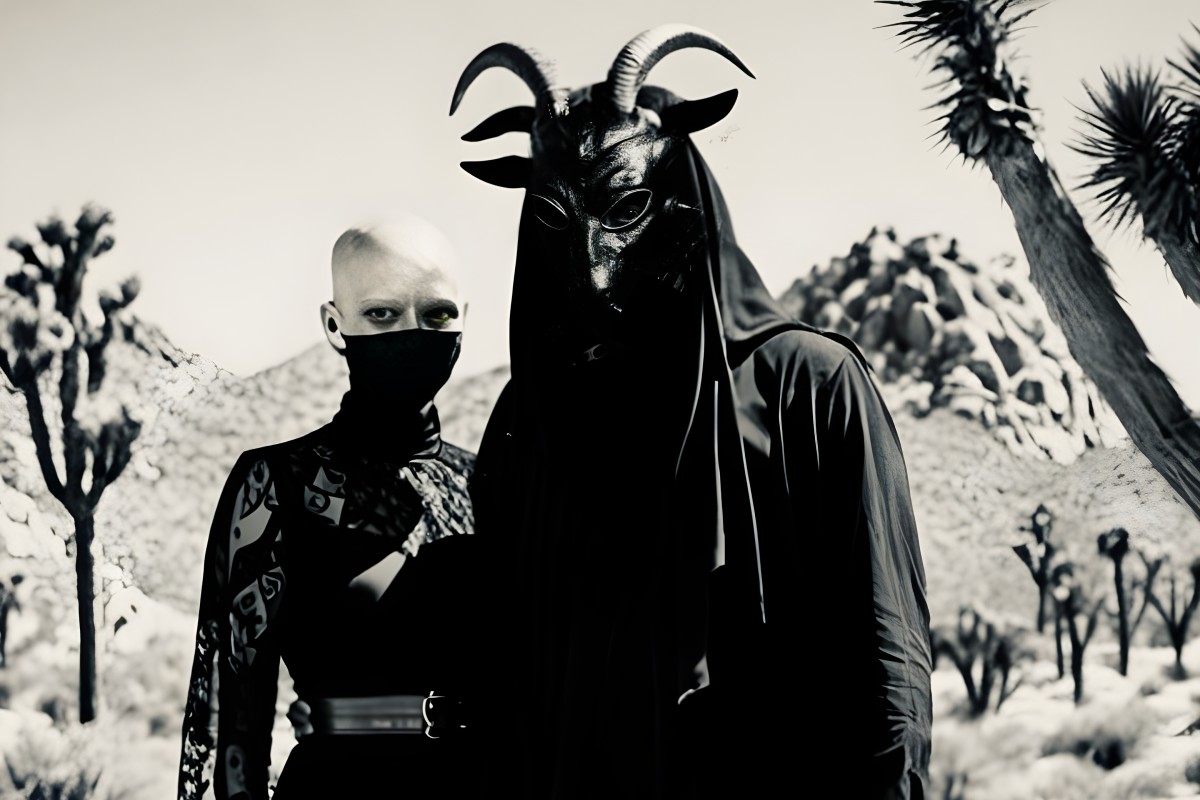 California’s experimental extreme‑metal duo Antania have unleashed their brand‑new single and official video “33”, offering the first glimpse into their upcoming album The Unholy 33...
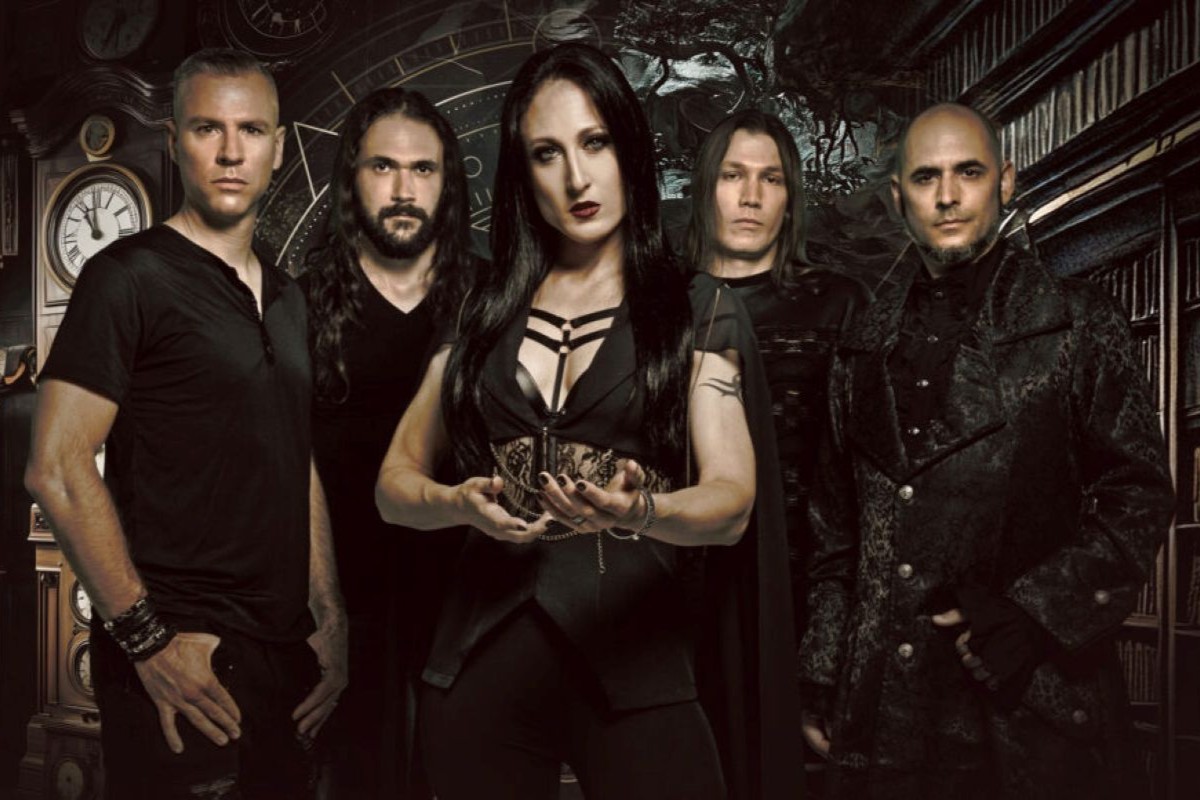 Swiss symphonic metal ensemble Deep Sun have present "The Window - Live", the first cut taken from their upcoming debut live record Vollständiges Live-Album. Captured on 28 March 2026...
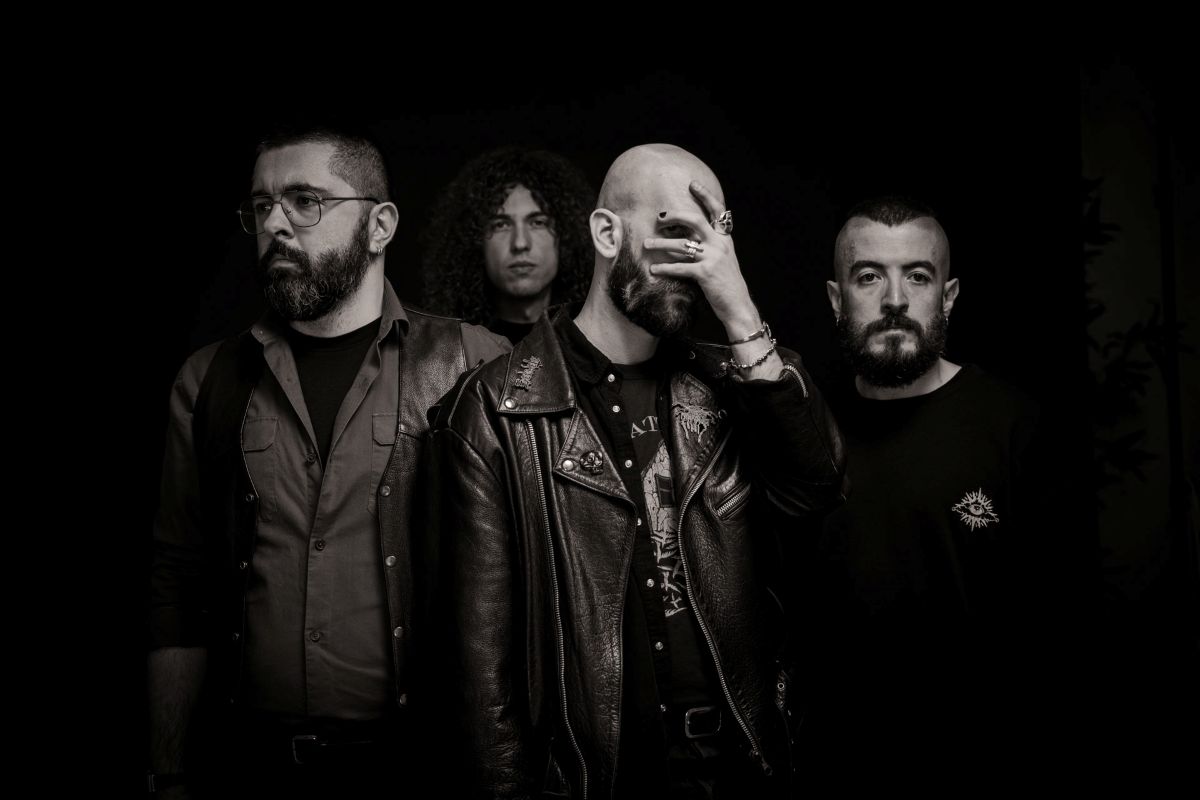 Italian doom metal outfit Orbita have released their debut full-length, Farewell To All We've Lost, through Aural Music. Emerging from the shadows in 2020, Orbita first made their mark...
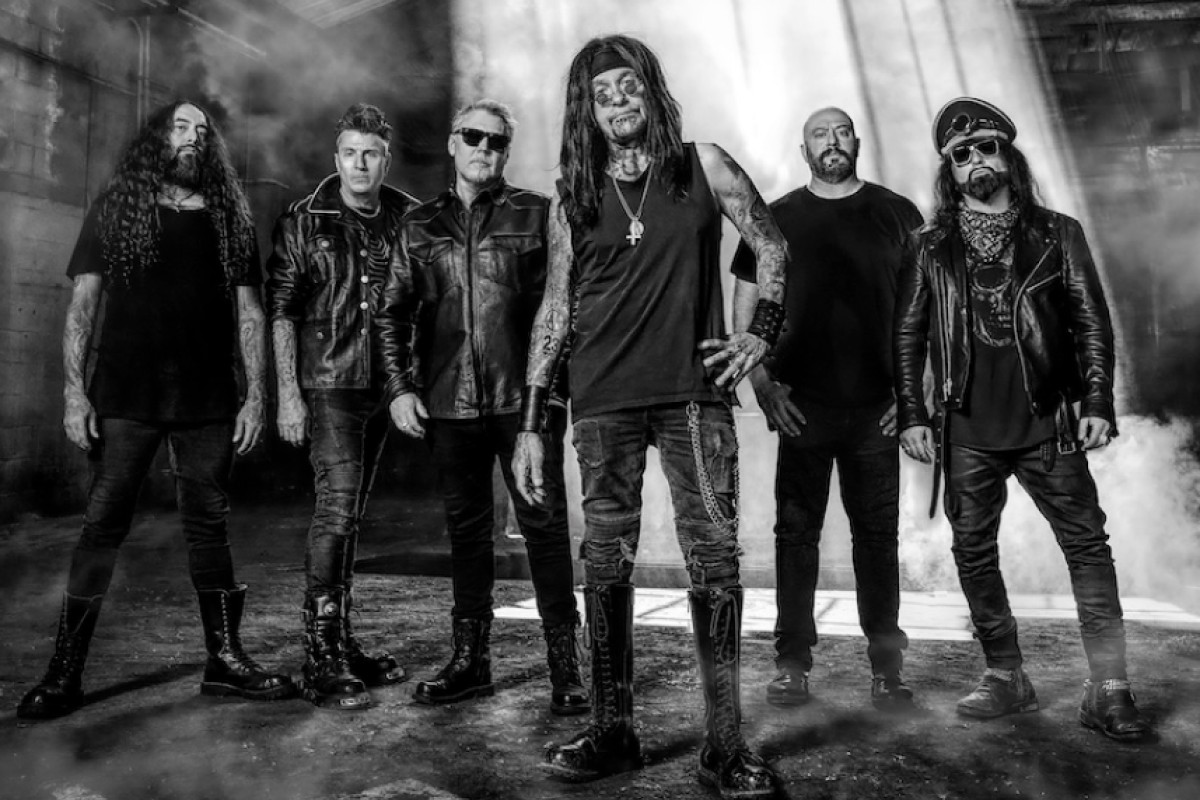 Industrial pioneers Ministry have unveiled a brand new single and video, “We Hate”, offering another fierce preview of their upcoming and final studio album Hate To Go (Take Out Or...
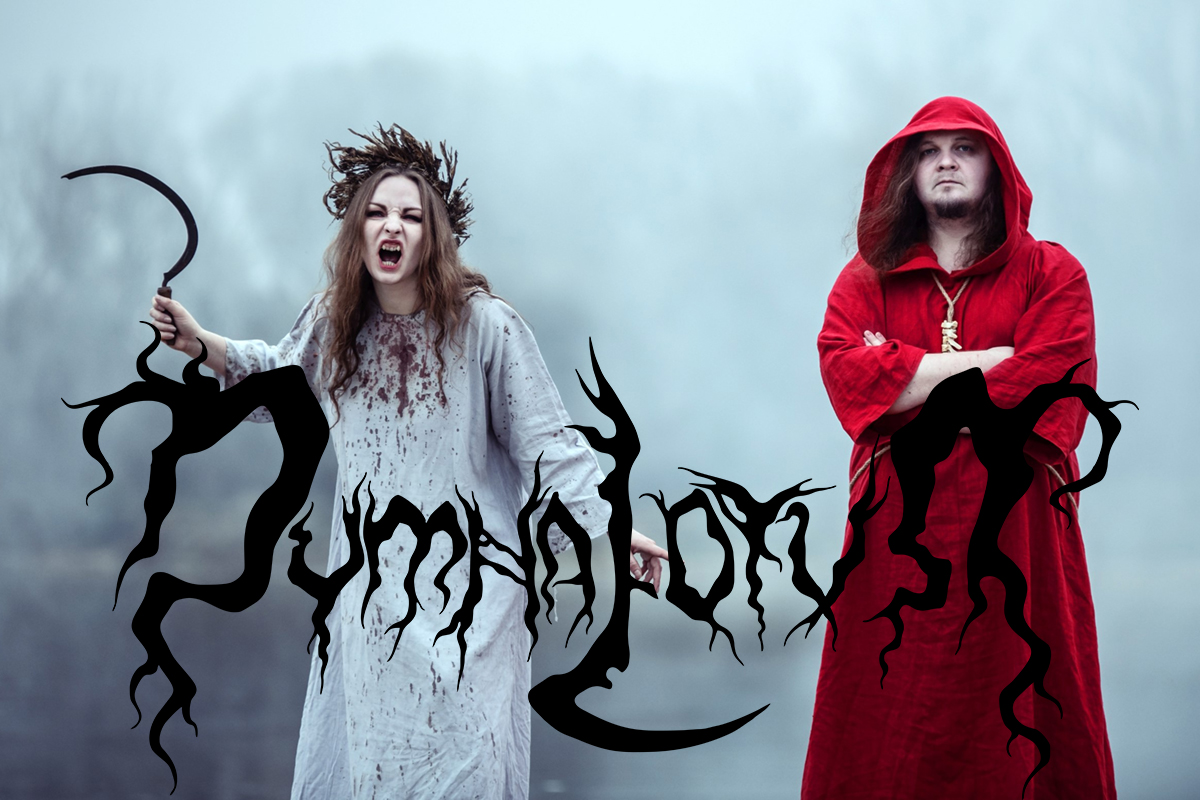 "I can call our show an emotional exhibitionism. If you want to drink beer and cry, please come to our show, haha." - Nokt Aeon
 "We're fucking vampires, you know? The desire to stay young forever is always there. But alienation — that definitely comes from being a non‑human person." - Lee Margot
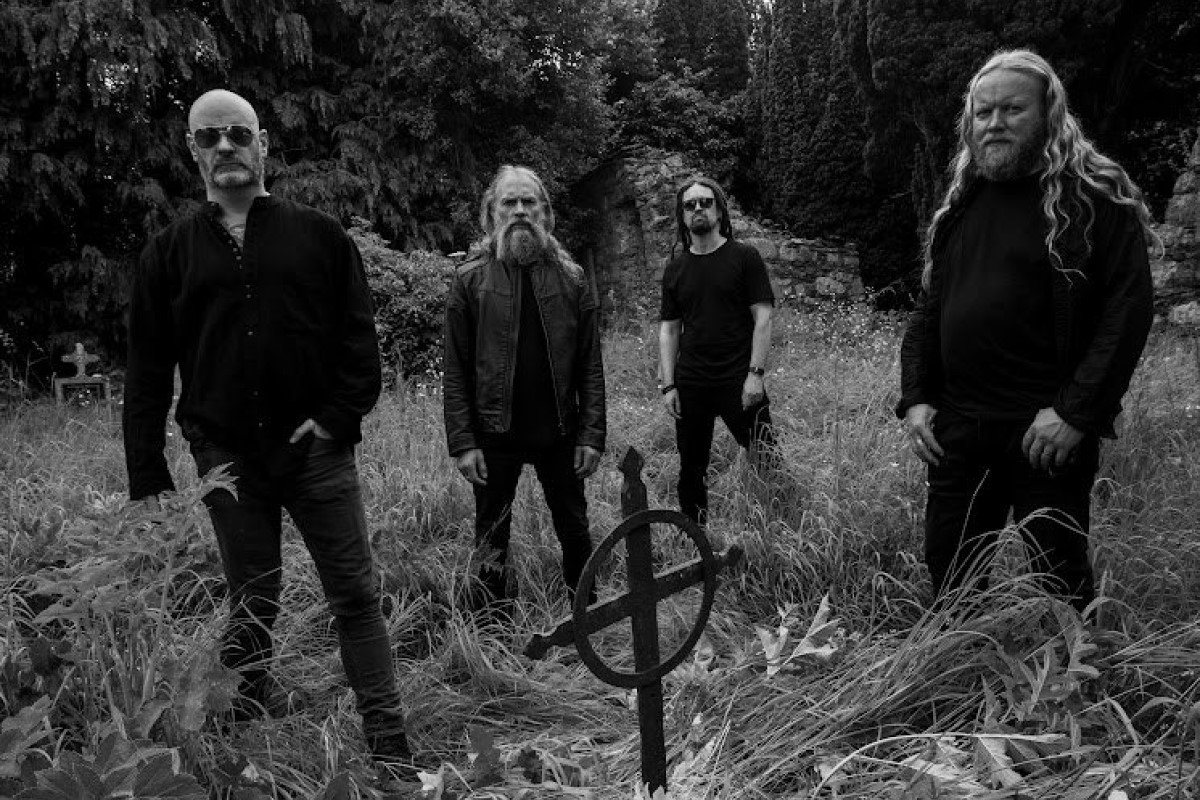 "I'm sort of asking questions - where are the heroes? Where's the defiance? Where are the people who oppose this?" - Alan "Nemtheanga" Averill
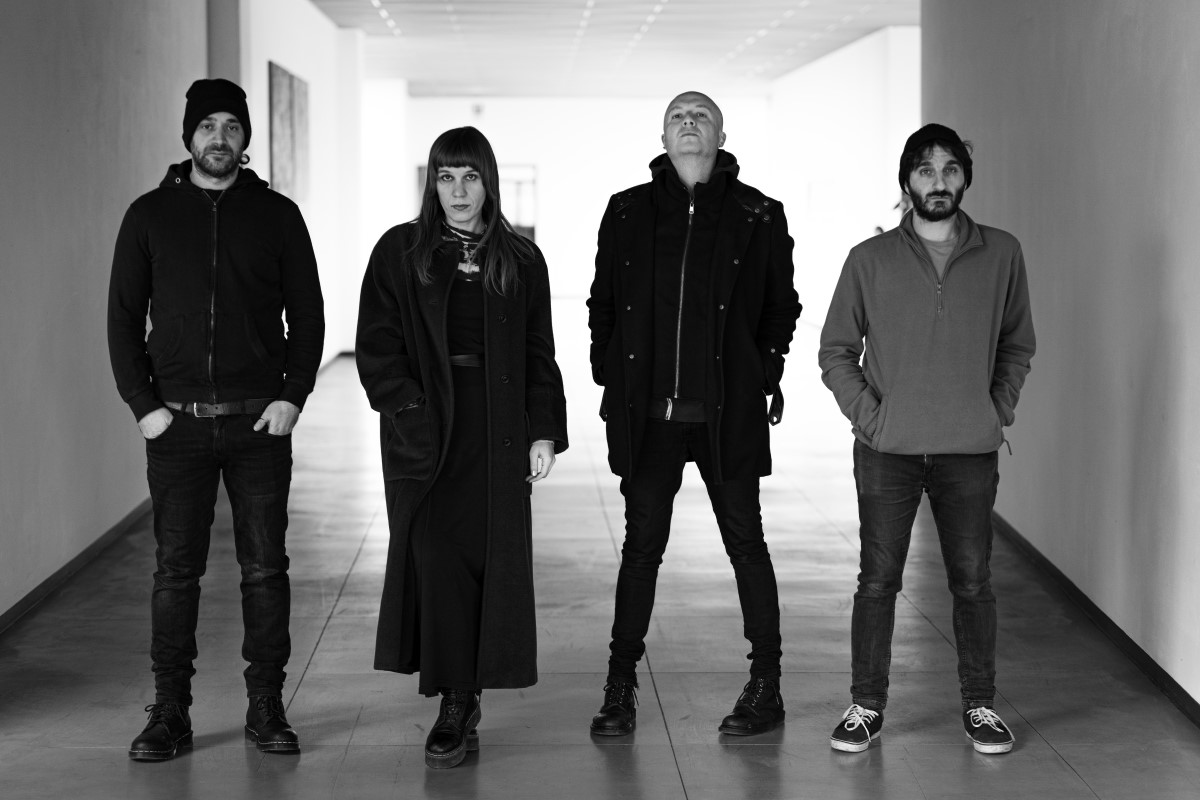 "I can say that when I play with Bosco Sacro, I'm in total trans. When I play on a stage, I go into another world." - Luca Scotti